
What Makes a Layered Lob Move
Length is the first decision. A lob earns its movement by ending where the shoulders begin: long enough for the ends to swing, short enough that the layers are not dragged flat by weight. Every cut here ends at or just above the shoulder line — entries 6, 9 and 11 show it done right.
Layers must be visible, not implied. The difference between a layered lob and a blunt lob is what happens when the head turns: layered ends separate, catch light and fall back into place. Entries 1, 5 and 8 show face-framing layers doing that work, while entries 2 and 11 show wave doing the same job through the lengths.
The ends are the movement. Flipped ends (entries 6 and 9), tousled waves (entries 2 and 3) and soft curls (entry 15) are not styling accidents — they are how a lob reads as “moving” in real life. Ask your stylist where the shortest layer will sit and how the ends are finished: a lob whose ends are cut blunt will usually need more styling to show the same movement — though blunt perimeters can still move well with natural texture, and stylists often recommend them for fine hair.
Wind is the honest test. A lob that only looks good under studio lights is a studio cut. Entries 3, 10 and 12 were photographed outdoors in real wind, and the layers still read clearly — that is the standard to hold your own cut to.
Glasses change the face frame. Three entries here (3, 12, 13) are worn with glasses, and the layers sit with the frames instead of fighting them: the face-framing pieces fall below the frames. Bring your glasses to the appointment, as with our short hairstyles for women over 60 with glasses.
Colour should follow the cut, not lead it. Silver, blonde and warm brown-blonde all appear here, and the movement works in every one of them — proof that layering, not colour, is what makes a lob move. If you are growing out colour, see our low-maintenance hair colors that grow out softly; a layered lob is one of the kindest cuts for a grow-out, because the layers blur the line as it grows.
16 Layered Lobs for Women Over 50 That Move Beautifully
1. The Silver Lob with Soft Shoulder Layers

The gallery’s opener and its calmest cut: a silver layered lob with soft face-framing layers that end exactly at the shoulders. The layers are gentle rather than choppy, so the movement reads as polish, not tousle.
Suits: straight to slightly wavy hair; silver and graying hair. Upkeep: trim every 7–8 weeks; silver toned to stay bright. Ask your stylist for: a silver layered lob, soft face-framing layers ending at the shoulders.
2. The Tousled Blonde Short Lob
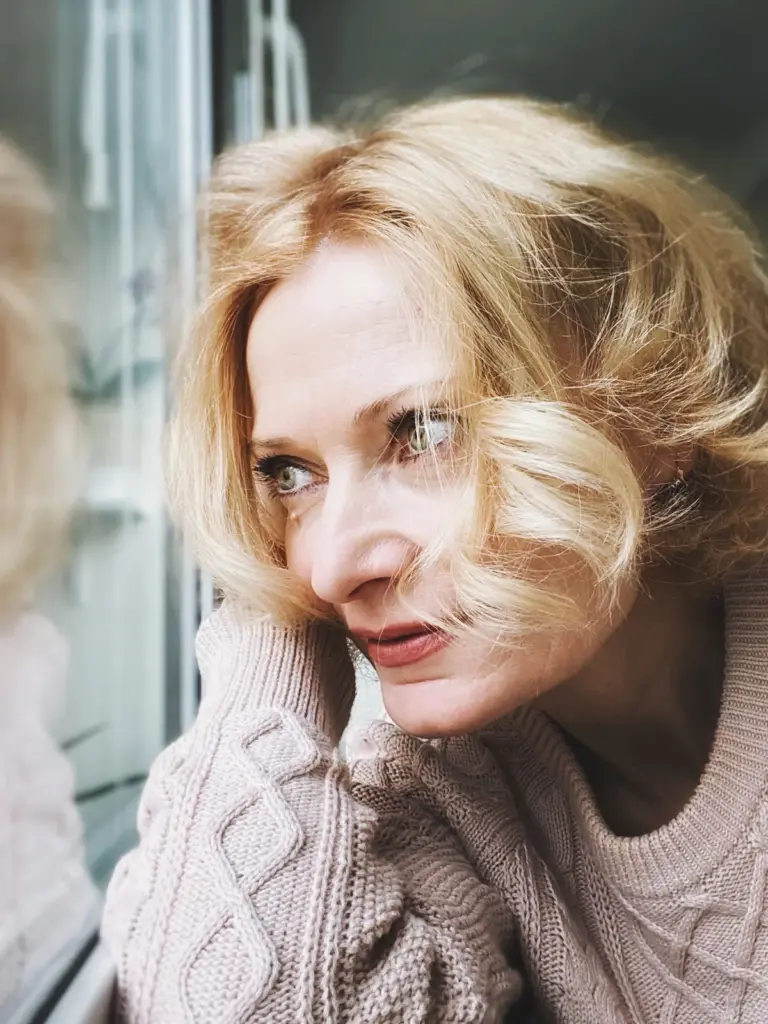
The shortest lob in the gallery, and the liveliest: a tousled blonde cut with waves that break up the outline and keep the whole shape swinging.
Suits: naturally wavy hair; active routines. Upkeep: air-dry with wave cream; trim every 7 weeks. Ask your stylist for: a short wavy layered lob, tousled layers, length just above the shoulders.
3. The Wind-Blown Garden Lob with Glasses

Proof that wind is a lob’s friend, not its enemy: this wavy shoulder-length cut with glasses holds its shape outdoors because the layers separate instead of clumping. The glasses sit cleanly against the face-framing pieces.
Suits: wavy hair; glasses wearers. Upkeep: layers checked against your frames at every trim. Ask your stylist for: a wavy layered lob, glasses-friendly face-framing layers, wind-friendly separation.
4. The Sleek Silver Straight Lob
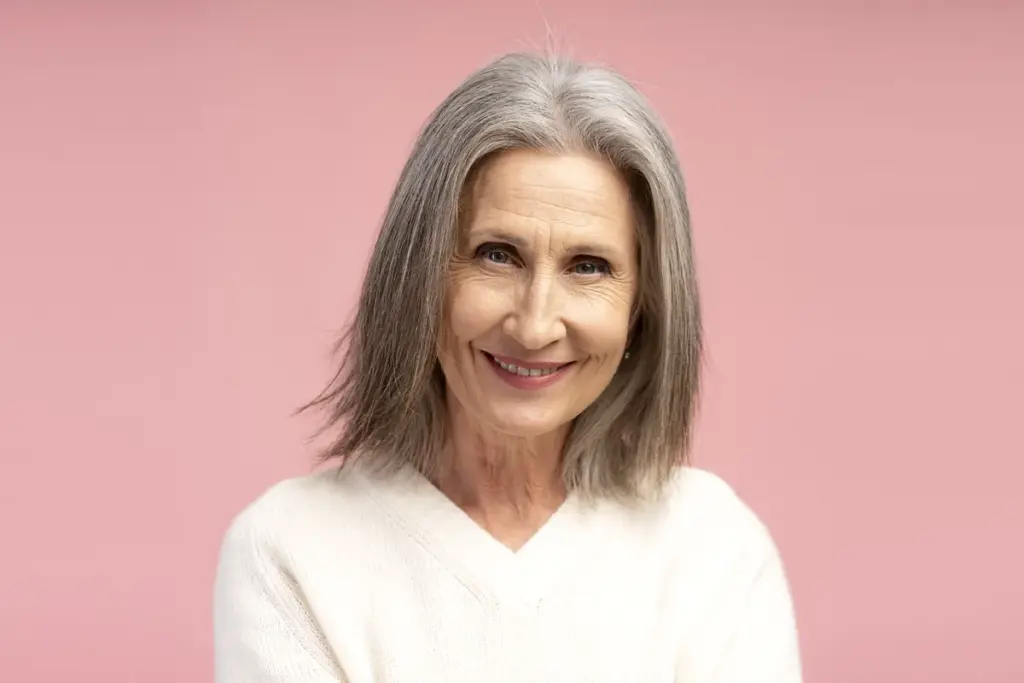
The straight-hair exception that proves layers are not only for waves: a sleek silver-gray lob whose movement comes from the layering itself — the ends step down softly instead of ending in a blunt line, so the cut swings when the head turns.
Suits: straight, fine to medium hair. Upkeep: smoothing cream on damp hair; trim every 7 weeks. Ask your stylist for: a sleek silver layered lob, soft stepped ends, no blunt shelf.
5. The Feathered Silver Lob
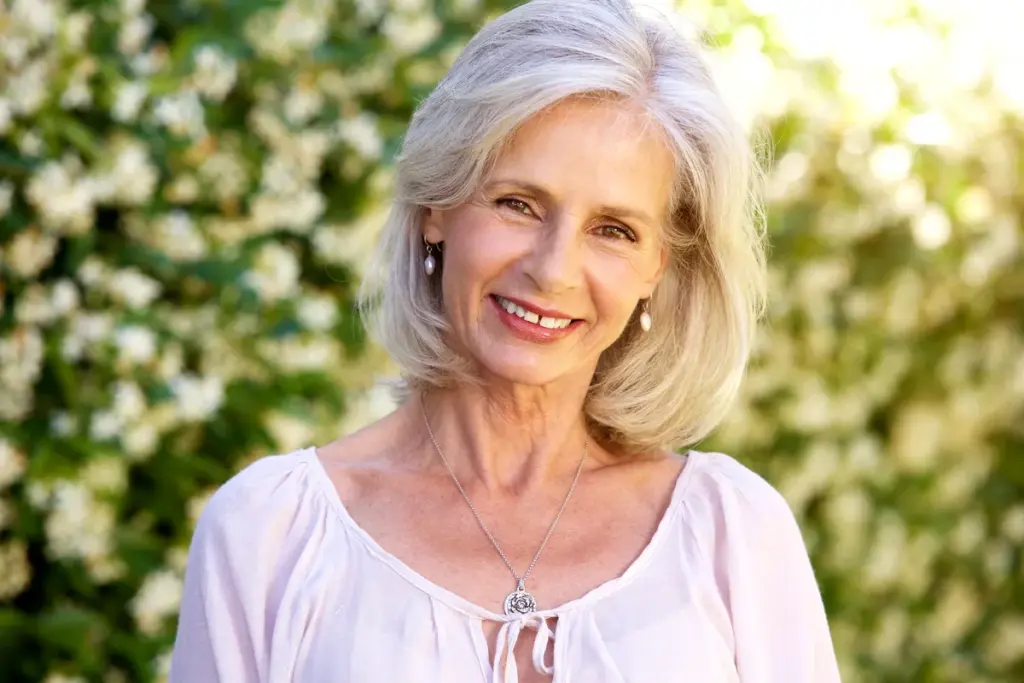
Feathering is the gentlest way to layer a lob: the lengths thin toward the ends without losing the outline, so this silver cut looks full at the top and light at the bottom. A good choice if your hair is fine and a choppy lob would look thin — just keep the feathering soft and keep enough fullness at the perimeter, since heavy feathering can make fine ends look thinner.
Suits: fine hair; silver and white hair. Upkeep: trim every 7–8 weeks to hold the feathering. Ask your stylist for: a feathered silver layered lob, fullness on top, light feathered ends.
6. The Flipped-End Wavy Silver Lob

The movement photograph of the gallery: a wavy silver lob whose ends flip outward, so the whole cut reads as motion even standing still. Flipped ends are the easiest “moving” detail to ask for — and the first thing to disappear if the ends are cut blunt.
Suits: wavy hair; silver and gray hair. Upkeep: ends flicked out with a round brush or flat iron. Ask your stylist for: a wavy silver layered lob with flipped ends.
7. The Warm Brown-Blonde Layered Lob with Soft Waves

The warmest colour in the gallery, and a useful reminder that lobs are not only silver and blonde: this warm brown-blonde layered lob carries its movement in soft, unforced waves, and the length sits exactly on the shoulder line.
Suits: warm complexions; medium hair. Upkeep: warm toner to hold the brown-blonde; trim every 8 weeks. Ask your stylist for: a layered lob in warm brown-blonde, soft waves, shoulder-line length.
8. The Silver Face-Framing Lob with Volume
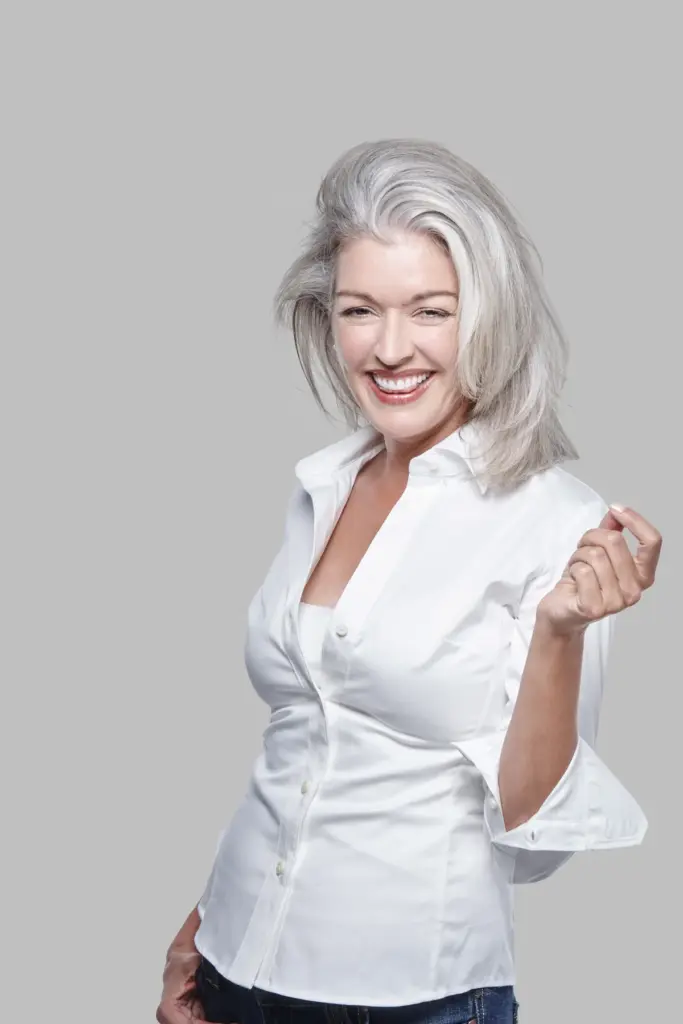
The volume entry: a silver layered lob with face-framing layers and real lift at the roots, so the cut frames the face instead of hanging beside it. If your lob tends to fall flat, this is the photograph to show your stylist.
Suits: hair that falls flat at the crown. Upkeep: volumising powder at the roots; trim every 7 weeks. Ask your stylist for: a silver layered lob, face-framing layers, volume through the crown.