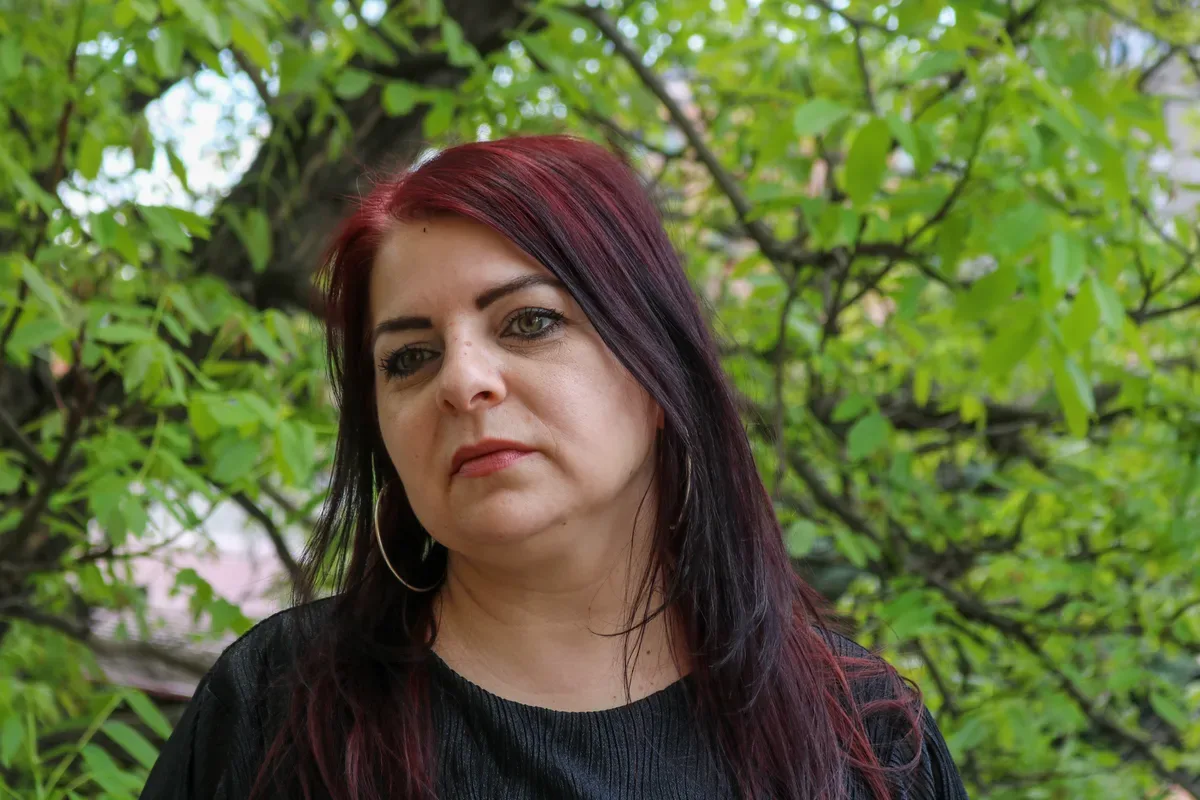
Choosing among the five comes down to two questions: how much warmth you want, and how much length you want to carry it. The long straight burgundy and the burgundy bob show the shade at its most even, with nothing to distract from the colour itself. The wavy and side-swept versions show how burgundy behaves when the hair moves — the wine-red catches the light in the waves and softens at the face. The deepest red-brown here is the gentlest entry point: it reads as burgundy in the light and as a rich brown in shadow, which suits women trying the shade for the first time. Grey coming in at the temples is no obstacle either; burgundy blends with silver more kindly than most reds, because the dark base keeps the contrast low.
One more thing worth knowing before you choose: burgundy photographs differently from how it looks in the mirror. A shade that seems quiet indoors can glow in sunlight, and a shade that looks vivid in the salon can settle into something softer by the second week. That is why every look here was chosen from photographs taken in ordinary light rather than studio light. What you see in these pictures is close to what the shade looks like in everyday life, not under salon lamps.
How to Wear Burgundy After 40
Keep it dark, not bright. Burgundy earns its keep from depth. A shade that stays close to a dark wine-red reads as rich and deliberate; push it toward bright cherry or copper and it stops being burgundy at all. Ask your colourist to show you the shade in daylight before it goes on.
Let the roots stay dark. Burgundy grows out more gracefully than most reds because the regrowth is a darker version of the same family rather than a contrasting band. A soft root shadow, or roots left close to the natural colour, keeps the grow-out looking intentional for weeks.
Match the warmth to your skin. Cooler skin takes the wine side of burgundy — the shades with a purple-brown depth. Warmer skin takes the auburn side, where the red leans toward a deep russet. The difference is small on a swatch and obvious on a face, so check it against your own skin, not the chart.
Gloss is part of the colour. Burgundy lives or dies on shine: a flat burgundy reads as dark brown, while a glossed one shows the wine-red in the light. A clear gloss every six to eight weeks keeps the red visible instead of letting it fade to brown.
Expect it to soften, not vanish. Red molecules wash out faster than brown ones, so burgundy fades gradually toward a softer red-brown. That is the colour ageing well rather than failing — a colour-safe shampoo and cooler washes slow the fade without changing the shade.
Mind the grey at the temples. Grey hair takes red pigment unevenly, so the temples and parting are where burgundy can look patchy first. A colourist who pre-softens the grey, or who keeps the shade slightly deeper at the face, gets an even result that lasts. If the grey is already widespread, a deeper burgundy covers it more evenly than a lighter one.
Keep the cut simple. Burgundy is a colour-forward shade: it does its best work on clean shapes — a straight length, a soft wave, a neat bob — where the colour itself is the statement. Heavy layering or a fussy fringe breaks the shade into pieces and hides the depth that makes burgundy worth choosing.
Burgundy Hair Color Ideas for Women Over 40
1. The Long Straight Burgundy
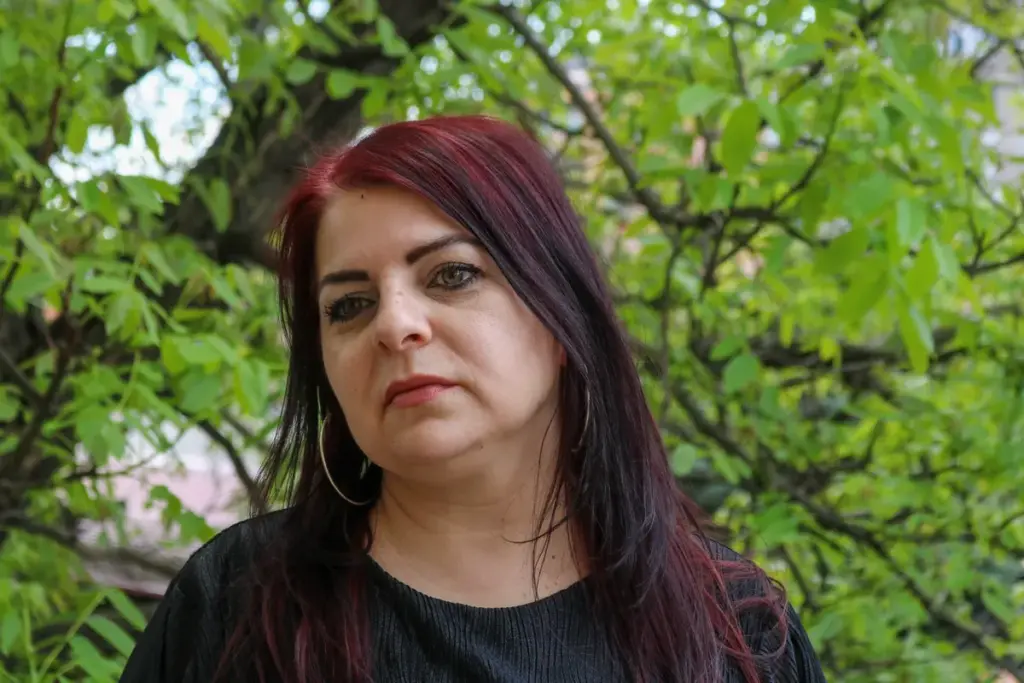
Long straight hair in a deep burgundy-red, even from the crown to the ends — the clearest burgundy in this gallery. The wine-red is strongest at the crown, where the light catches it, and deepens toward a dark wine shade through the lengths, so the colour has dimension without any highlights. Worn straight, the shade reads as one deliberate colour rather than a blend. Indoors the same hair looks darker and quieter, almost brown-black at the back, which is part of burgundy’s appeal: it changes with the light instead of shouting in every room.