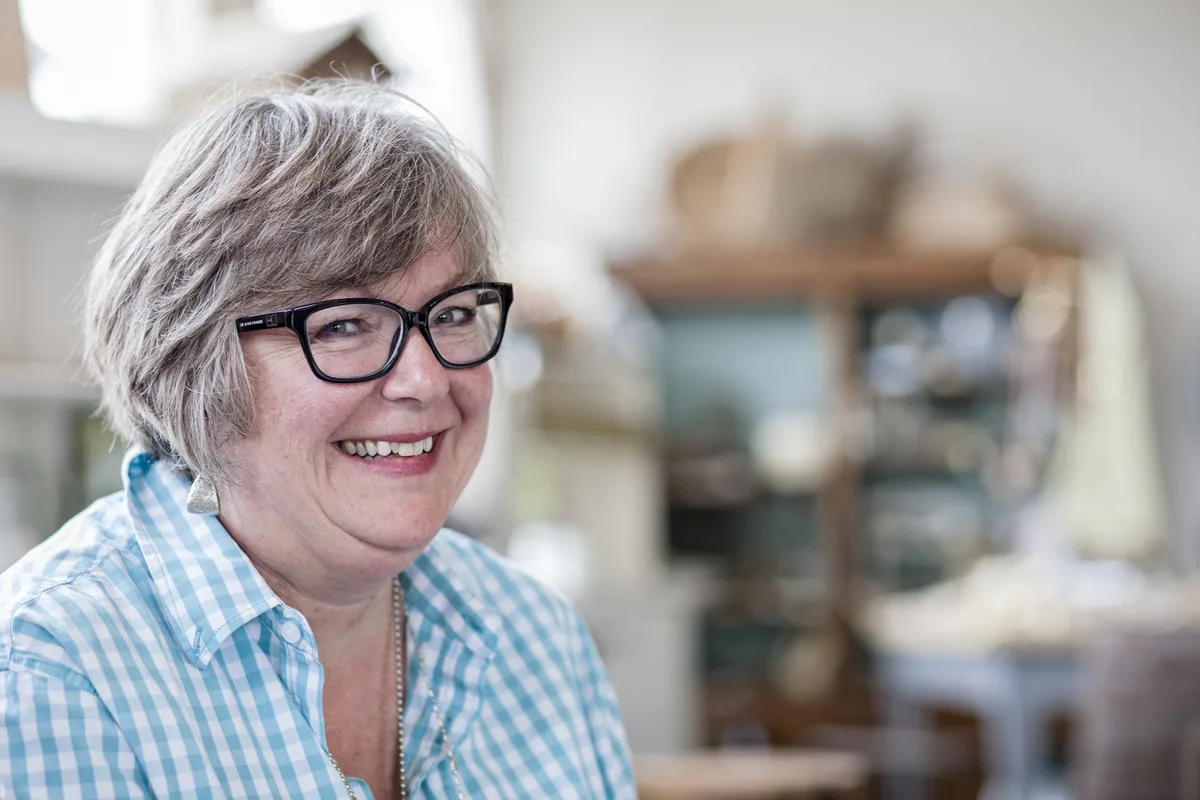
What the five share is wave you can actually see. A bob only reads as a wavy bob when the waves are visible in the cut itself — soft waves through the length, flicked ends that turn out instead of lying flat, or loose waves that lift and separate as the head moves. Six of the photos are real licensed photography, and one labelled AI visualisation shows the auburn family no real photo supplied. Each look below comes with the words to ask your stylist for, so you can take the photo and the phrasing to your appointment together.
One thing to know before you choose: the wave pattern matters more than the colour. Soft, loose waves give a bob its movement and will fall gently around the face, while a stronger wave with flicked ends reads as bolder and more textured. Neither is better — a soft wave reads as gentle and easy, a flicked end reads as lively and modern — but they behave differently as they grow out, so pick the wave that matches your own hair rather than the colour you like best. Colour can be changed at the salon; wave pattern cannot, and a cut chosen for your real wave will always look better than a cut chosen for someone else’s.
How to Pick a Wavy Bob That Suits You After 60
Ask for layers, not one length. A wavy bob lives or dies on its layers: a little layering through the ends lets the waves form instead of sitting heavy, and keeps the bob from turning into a solid helmet shape. A cut that is one length all over will weigh the waves down, while light layers give them room to move.
Keep the length at the chin or just below. The bob range is chin to shoulder, and the sweet spot for a wavy bob is just below the chin: long enough for the waves to show, short enough that they do not pull themselves straight. If the cut grows past the shoulders, the weight of the hair flattens the wave, and it stops reading as a bob at all.
Let the wave decide the parting. Waves fall where they want to fall, and fighting them with a strict centre part usually ends in a battle every morning. A soft side part works with most waves, lets the fuller side show the movement, and keeps the hair out of the face. Ask your stylist to cut the bob to your natural parting, not against it.
Mind the ends. The ends are where a wavy bob shows its quality: flicked ends give the cut its bounce, while blunt ends make it read as heavier and more formal. If you want movement, ask for the ends to be point-cut or lightly textured, so they separate into waves instead of sitting in a solid line.
Plan for the grow-out. A wavy bob grows out in about six to eight weeks, and the first thing to go is the shape — the ends lose their flick and the waves start to drag the cut longer and flatter. Book the next trim before you leave the salon, and keep a light wave cream at home for the days between: a pea-sized amount scrunched through damp waves is enough to wake the shape up.
Wavy Bobs for Women Over 60
1. The Grey Wavy Bob in a Gingham Shirt
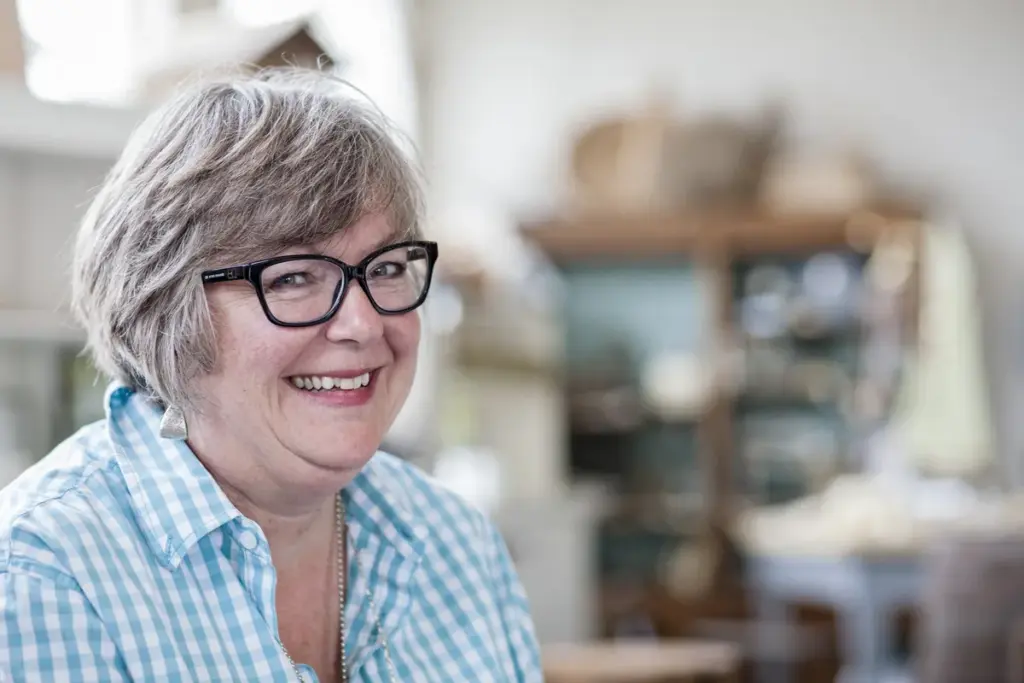
A grey wavy bob, worn by a woman in her early 60s smiling in a gingham shirt and glasses. This is the clearest wavy bob in the gallery: chin-length, with soft waves running through the whole cut, a gentle side part, and ends that flick out just enough to show the movement. The grey is natural and even, which matters with a short cut — there is nowhere for dull colour to hide, so the silver-grey itself becomes the feature. The glasses sit neatly with the cut, the waves clearing the frames instead of crowding them, and the gingham shirt is a reminder that a wavy bob leaves room for a little pattern elsewhere.
Suits: naturally wavy hair, grey or silver hair, glasses wearers. Upkeep: wave cream scrunched through damp waves; trim every 6–8 weeks to hold the length. Ask for: a chin-length wavy bob with soft layers and flicked ends.
2. The Blonde Wavy Bob Close-Up

A blonde wavy bob, worn by a woman in her early 60s smiling in a close-up portrait. The waves here are at their softest: gentle, even waves through a chin-length bob, with the length sitting just at the jaw and the top kept smooth so the wave shows in the length rather than the crown. It is the most classic cut in the gallery, and it shows what a wavy bob looks like when it is allowed to be simple — no layers shouting for attention, just a clean bob line with a wave running through it. The blonde is warm and bright, catching the light on the waves so each one reads separately.
Suits: soft natural waves, warm blonde colour. Upkeep: air-dry with a little cream on the ends; trim every 6–8 weeks. Ask for: a chin-length blonde wavy bob with a smooth top and soft waves through the length.