Optimal Timing for Multivitamin Intake Explained
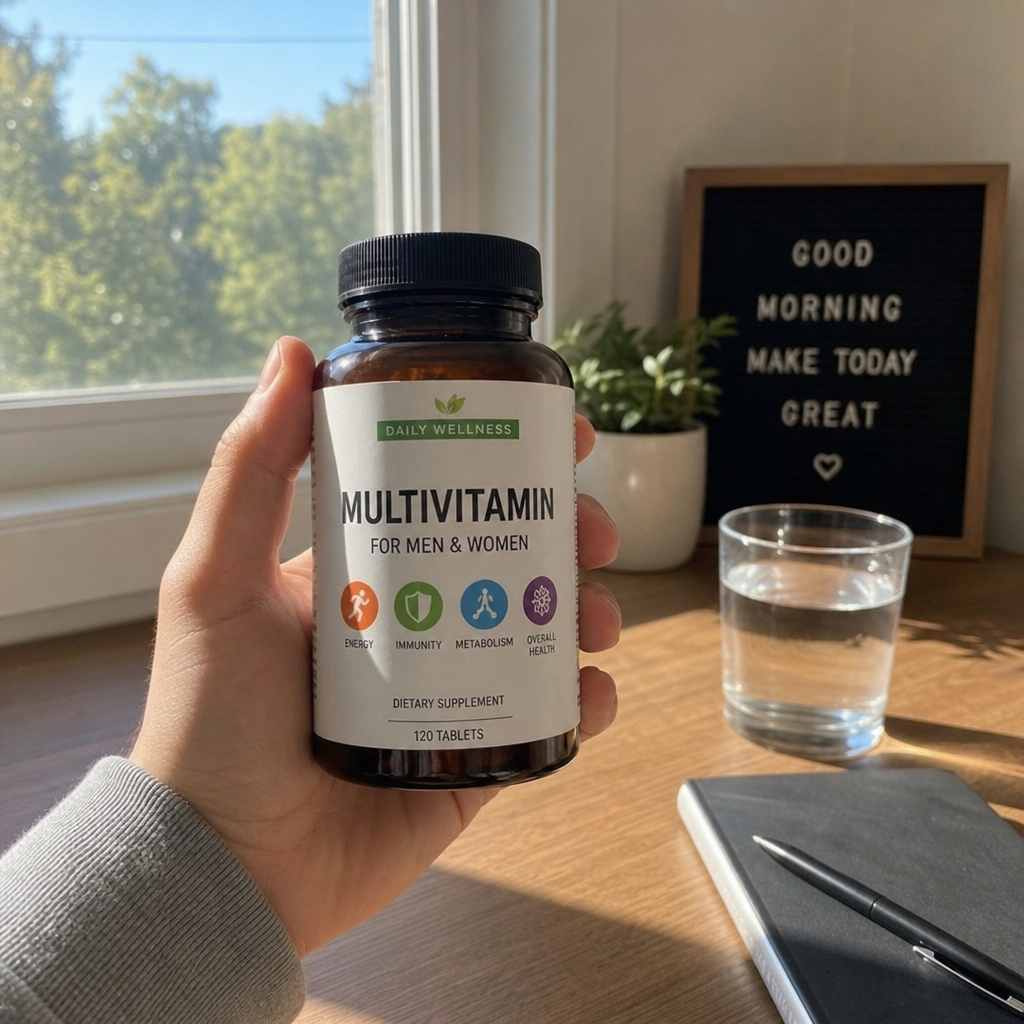
Have you ever stared at your daily supplement bottle and wondered, when is the best time to take multivitamins? You are certainly not alone. Understanding exactly when is the best time to take vitamins can make a massive difference in how your body utilizes these essential nutrients.
The secret to a successful wellness regimen lies in maximizing nutrient bioavailability—ensuring your system absorbs every beneficial compound efficiently. Let’s explore the science behind water soluble vs fat soluble timing so you can pinpoint the absolute best time for taking multivitamin supplements for your unique lifestyle.

Morning vs. Night Multivitamin: Timing is Everything
When deciding on a morning vs night multivitamin habit, it is helpful to consider your circadian rhythm and metabolism. Because many multivitamins contain energizing B-complex vitamins, mornings are generally the ideal choice.
If you find yourself asking when is best to take b12 specifically, early in the day is the definitive answer. A good time to take b12 is right alongside your breakfast, as your body relies on it to convert food into cellular energy for the day ahead. Conversely, taking vitamins before bed—especially those designed to boost energy—might accidentally stimulate your brain and disrupt your sleep cycle.
With Food or Without? Navigating Absorption
Should you take your daily capsule before breakfast or after? Understanding the debate of vitamins on empty stomach vs with food is crucial for your comfort and health.
- Fat-Soluble Nutrients: Fat soluble vitamins absorption (Vitamins A, D, E, and K) strictly requires dietary fat. Therefore, you need adequate fat content for supplement absorption to occur. Think about pairing your pill with avocados, whole eggs, or a handful of nuts.
- Water-Soluble Nutrients: While the best time to take vitamin c is often first thing in the morning with a tall glass of water, taking a dense, nutrient-packed multivitamin without food can irritate your stomach lining. Eating a balanced meal is the most effective method for multivitamin nausea prevention.

Optimizing Your Routine: Pairings and Interactions
To get the most out of your supplements, pay close attention to how various nutrients interact within your digestive tract. You might find it highly beneficial to download or consult a what vitamins to take together chart to avoid accidentally combining the wrong minerals.
- Avoid Mineral Clashes: Be particularly mindful of iron and calcium competition; taking a calcium-heavy meal or supplement at the same time as your multivitamin can severely inhibit your body’s iron absorption.
- Watch Your Morning Coffee: Be aware of the caffeine and vitamin interaction. Coffee acts as a mild diuretic and can flush out water-soluble vitamins before they fully absorb, so try to wait about an hour after your morning brew before taking your pill.
- Delivery Methods: Consider liquid vs capsule absorption rates. Liquids generally enter the bloodstream faster, though high-quality capsules combined with naturally occurring digestive enzymes for nutrient uptake (found in foods like pineapple or kefir) can be just as effective.

The Takeaway: Finding Your Ideal Schedule
So, when is the best time to take multivitamins? For the vast majority of people, the optimal window is right alongside the best meal for vitamin uptake—usually a well-balanced breakfast or lunch that contains healthy fats.
Ultimately, the golden rule of any lasting wellness plan is supplement routine consistency. Pick a time of day that seamlessly fits your schedule, pair your multivitamin with a nourishing meal, and let your body do the rest.