
Effective Weight Loss Strategies for Seniors
Reaching your sixties is a fantastic milestone. It is a time when many people finally have the freedom to travel, spend time with family, and explore new hobbies. However, if you have noticed that the scale is slowly creeping up—despite eating the same way you always have—you are not alone.
When figuring out how to lose weight after 60, you might quickly realize that the diet and exercise routines that worked in your thirties simply do not yield the same results today. The good news? Effective weight loss over 60 is absolutely achievable; it just requires a smarter, more targeted approach that respects your changing biology.
Understanding Your Body: Why the Rules Have Changed
The science behind losing weight after 60 begins with understanding what is happening inside your body. As we age, our physiology shifts, making weight management slightly more complex.
First, consider the basal metabolic rate changes in seniors. Your basal metabolic rate (BMR) is the number of calories your body burns at rest. As we lose muscle mass with age, our BMR naturally decreases, meaning we require fewer calories just to exist.
Furthermore, the impact of hormonal changes on senior metabolism cannot be ignored. Decreases in estrogen and testosterone alter how and where the body stores fat, frequently moving it away from the hips and directly to the midsection. This makes weight loss for women over 60 particularly challenging. The process of losing weight after 60 for women often involves fighting against a natural biological slowdown. If you are researching tips on losing weight over 60, female-specific strategies must account for these post-menopausal shifts to be truly effective.
Nutrition: Fueling Your Body for Success
Diet is the cornerstone of weight loss for seniors. However, restrictive crash diets are dangerous and counterproductive. Instead, the focus should be on nourishment and balance.
Master the Calorie Deficit Safely
Knowing how to create a sustainable calorie deficit is vital. A calorie deficit simply means burning more calories than you consume. However, cutting calories too drastically can lead to fatigue and muscle loss. Aim for a modest deficit of 300 to 500 calories a day to encourage slow, steady weight loss.
Prioritize What You Put on Your Plate
To feel full on fewer calories, you must fill your plate with nutrient dense foods for aging adults. These are foods high in vitamins, minerals, and fiber, but relatively low in calories.
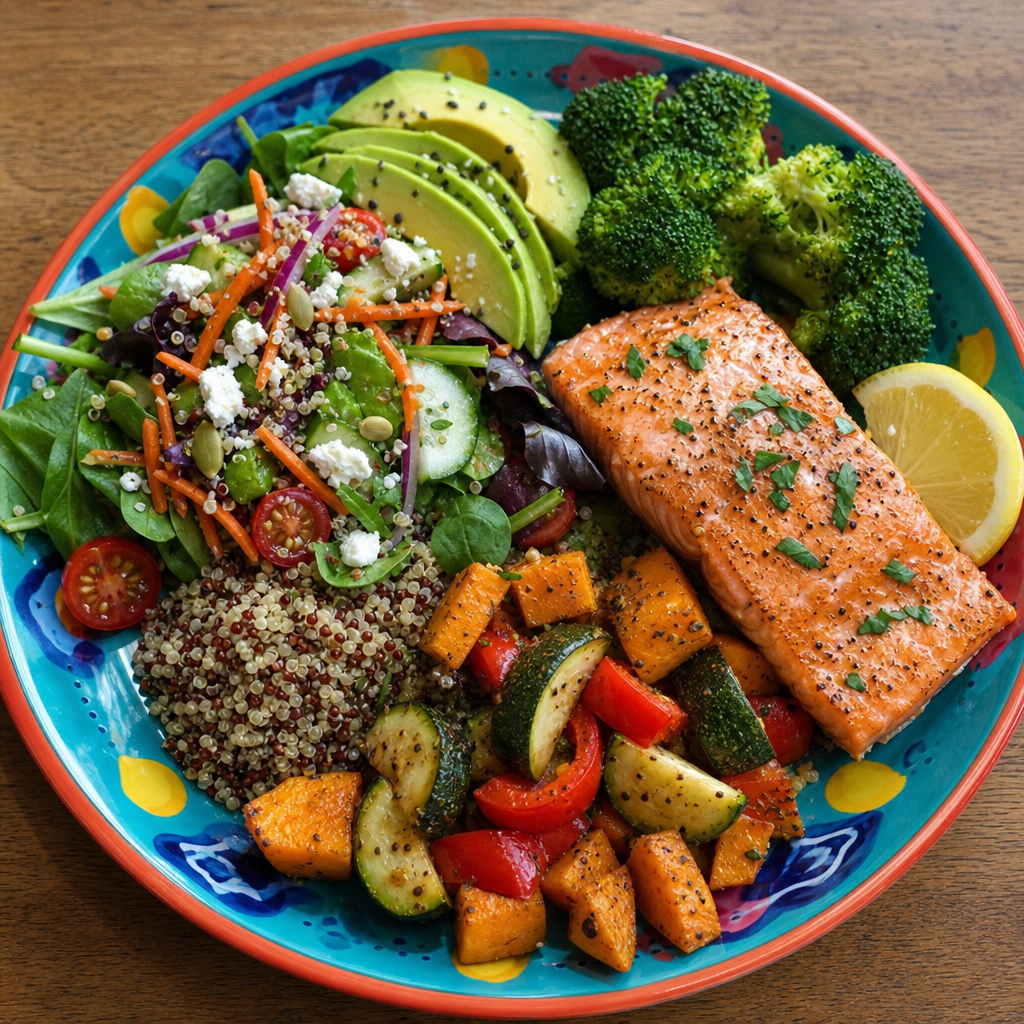
- Embrace an Anti-Inflammatory Diet: An anti-inflammatory diet for older adults—rich in leafy greens, berries, olive oil, and fatty fish—can significantly reduce joint pain and combat cellular aging.
- Manage Blood Sugar: Managing insulin resistance naturally in seniors is crucial, as poor insulin sensitivity encourages the body to store belly fat. Focus on complex carbohydrates like quinoa, sweet potatoes, and legumes instead of refined sugars and white bread.
- Up Your Protein: Meeting higher protein requirements for maintaining muscle mass is non-negotiable. Aim for high-quality proteins like Greek yogurt, eggs, chicken, and tofu with every meal to keep you satiated and preserve your lean tissue.
A Note on Meal Timing
You may have heard about fasting trends, but you must consider intermittent fasting safety for older populations. While time-restricted eating (like a 12-hour overnight fast) can improve insulin sensitivity and aid digestion, extreme fasting can cause dangerous drops in blood sugar or muscle wasting. Always consult your doctor before changing your meal timings.
The Power of Movement: Building Strength and Mobility
If you are wondering how to boost metabolism after retirement, the answer lies in movement. But not just any movement—the right kind of movement.
The Cardio vs. Strength Debate
When looking at strength training vs cardio for seniors, both have their place, but strength training is often the missing puzzle piece. While cardio is excellent for heart health, lifting weights or doing bodyweight exercises is one of the most effective sarcopenia prevention strategies available. Sarcopenia (age-related muscle loss) is the primary culprit behind a slowing metabolism.
By building muscle, you actively increase your daily calorie burn. Furthermore, engaging in resistance training for bone density helps prevent osteoporosis and keeps you strong, balanced, and independent.
Gentle on the Joints
You do not need to run marathons to see results. In fact, low impact exercises for joint health are highly recommended to prevent injury while still burning calories. Consider incorporating these into your weekly routine:
- Water Aerobics or Swimming: Provides excellent resistance with zero impact on the knees and hips.
- Cycling: Whether on a stationary bike or outdoors, cycling gets the heart rate up smoothly.
- Pilates and Yoga: Fantastic for core strength, flexibility, and balance.

Essential Daily Habits for Success
Achieving weight loss over 60 is not just about diet and exercise; it encompasses your entire daily routine. Cultivating holistic lifestyle habits for healthy aging will ensure your weight loss is sustainable.
Don’t Forget to Drink Up
The role of hydration in senior health is vastly underestimated. As we age, our sense of thirst diminishes. Dehydration can masquerade as hunger, leading to unnecessary snacking, and can severely drastically slow down your digestion and metabolism. Make it a habit to drink water throughout the day, aiming for at least 8 glasses, unless advised otherwise by your physician.
Prioritize Quality Sleep
Poor sleep directly affects your hunger hormones (ghrelin and leptin) and increases cortisol, a stress hormone that encourages abdominal fat storage. Ensure you are getting 7 to 8 hours of restful sleep each night by maintaining a cool, dark bedroom and a consistent bedtime routine.
Conclusion
Embarking on a journey to improve your health in your later years is one of the most rewarding decisions you can make. While the mechanics of losing weight shift as we age, success is entirely within your reach. By understanding your changing metabolism, focusing on nutrient-rich foods, prioritizing muscle-building exercises, and staying hydrated, you can safely and effectively achieve your goals. Remember, this phase of life is about feeling strong, energetic, and vibrant—and with these strategies, you are well on your way to your healthiest self.