
Essential Vitamins Every Woman Should Take
Navigating the world of wellness can often feel overwhelming, especially when you are trying to pinpoint the best vitamins for women. Because the female body is incredibly dynamic—undergoing continuous shifts from puberty and menstruation to pregnancy, postpartum, and menopause—understanding your daily nutrient requirements for different life stages is crucial.
While a balanced, nutrient-dense diet is the ultimate foundation of women’s health, modern lifestyles, stress, and soil depletion mean that food alone isn’t always enough to hit our targets. Let’s break down the essential nutrients you need to thrive, how to optimize absorption, and how to select the right health supplements for your unique biology.
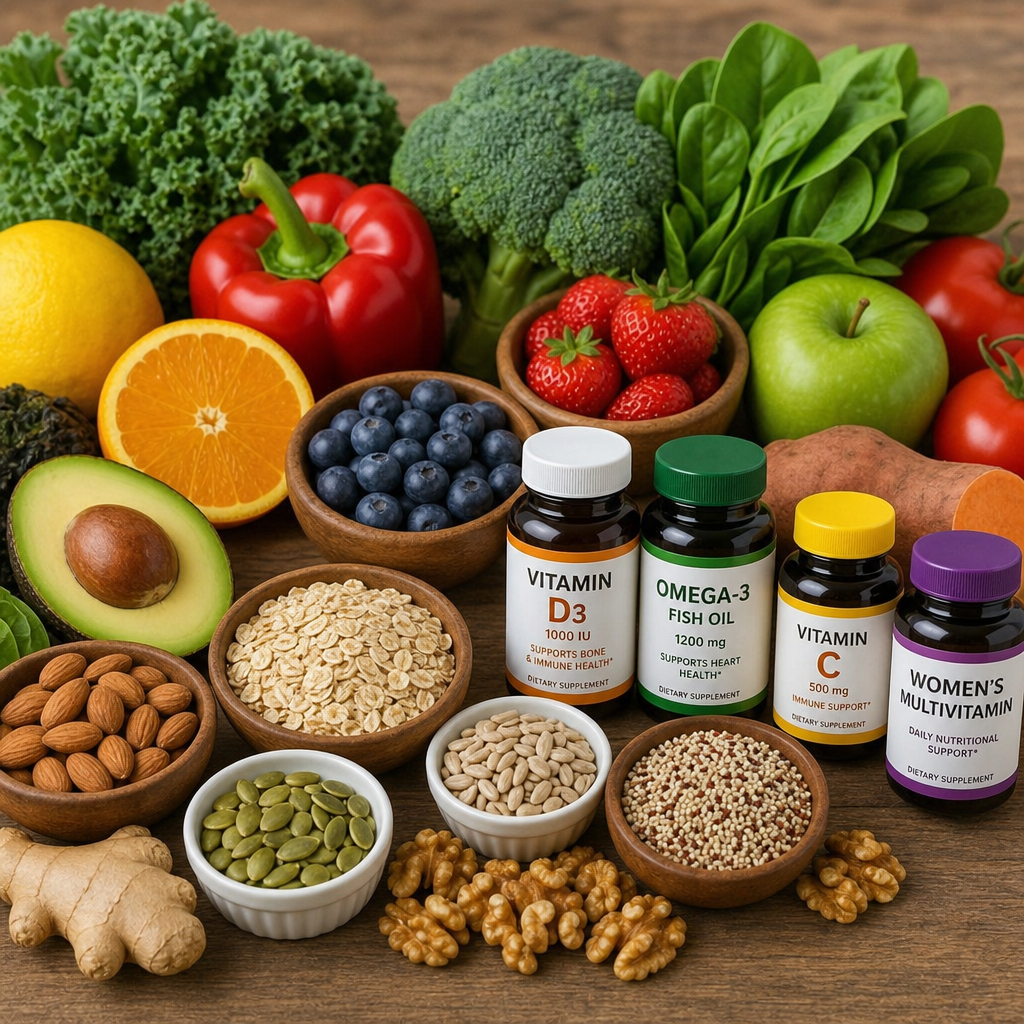
Foundational Nutrients for Bone, Blood, and Energy
When building a wellness routine, it helps to start with the foundational vitamins and minerals that keep your body’s core systems running smoothly.
Vitamin D and Calcium
Bone health is a critical concern for women as they age. Calcium and Vitamin D work synergistically; your body cannot absorb calcium without adequate Vitamin D. These are the most essential minerals for maintaining bone density and preventing osteoporosis later in life.
However, many women are chronically low in the “sunshine vitamin.” If you are wondering, what are the signs of vitamin d deficiency in females? Look out for persistent fatigue, lower back or bone pain, frequent illnesses, and sudden mood changes.
Actionable Tip: Because Vitamin D is fat-soluble, always take your supplement with a meal containing healthy fats, like avocado or nuts, to boost absorption.
Iron
Due to blood loss during menstruation, premenopausal women have significantly higher iron needs than men. If you are debating between iron rich foods versus iron supplements, start with your diet. Lean meats, lentils, and spinach are excellent sources. However, if you are actively deficient or experiencing heavy periods, a high-quality iron bisglycinate supplement may be necessary to restore your levels without causing digestive distress.
B-Complex Vitamins
If you constantly feel drained, B vitamins are excellent natural supplements for low energy and fatigue. They help convert the food you eat into usable cellular energy. For women, taking a methylated b-complex for hormonal balance is highly recommended. The “methylated” form (like methylcobalamin for B12 and methylfolate for B9) ensures that your body can instantly absorb and utilize the nutrients, especially if you have the common MTHFR genetic mutation which makes processing standard B vitamins difficult.
Supporting the Reproductive Years and Beyond
A woman’s nutritional needs shift dramatically during her reproductive years. Whether you are planning a family or simply managing a monthly cycle, targeted vitamins for women can make a massive difference in your quality of life.
Folic Acid (Vitamin B9)
The benefits of folic acid during childbearing years cannot be overstated. Even if you aren’t actively trying to conceive, women of childbearing age are advised to maintain healthy folate levels to support cellular health and prevent neural tube defects during the earliest, often undetected, weeks of pregnancy.
Prenatal and Postnatal Care
If you are transitioning through pregnancy, you will quickly learn the distinct differences in prenatal versus postnatal vitamin formulations. Prenatals are heavily focused on fetal development, loaded with iron, folate, and DHA. Postnatal vitamins, on the other hand, are designed specifically to support maternal recovery, boost energy, and provide the specific nutrients required for lactation, such as higher doses of choline and vitamins A, C, and D.
Magnesium
While not a vitamin, this vital mineral deserves a spotlight in women’s vitamins. Beyond supporting sleep and nerve function, the role of magnesium in managing menstrual cramps is profound. Magnesium helps to relax the smooth muscle of the uterus and reduces the prostaglandins that cause period pain.
Enhancing Wellness: Skin Health and Nutrient Absorption
Once your foundational and reproductive needs are met, you can look toward optimizing your outward glow and ensuring your body is actually utilizing the vitamin supplements you consume.
Antioxidants for Glowing Skin
True radiance starts from within. Instead of relying solely on topical creams, consider adding antioxidant rich supplements for skin health to your regimen. Vitamin C boosts collagen production, while Vitamin E protects against cellular damage from UV rays and pollution. Astaxanthin, a powerful antioxidant derived from microalgae, is also gaining popularity for its ability to improve skin elasticity and hydration.
Understanding Fat-Soluble Vitamins
Vitamins A, D, E, and K are fat-soluble. To maximize the bioavailability of fat-soluble vitamins, they must be consumed with dietary fats. However, because your body stores these vitamins in the liver and fat tissues rather than flushing them out like water-soluble vitamins, they can accumulate. It is essential to be aware of the safe upper intake levels for fat soluble vitamins to avoid toxicity—more is not always better.
Navigating the Supplement Aisle: How to Make the Right Choice
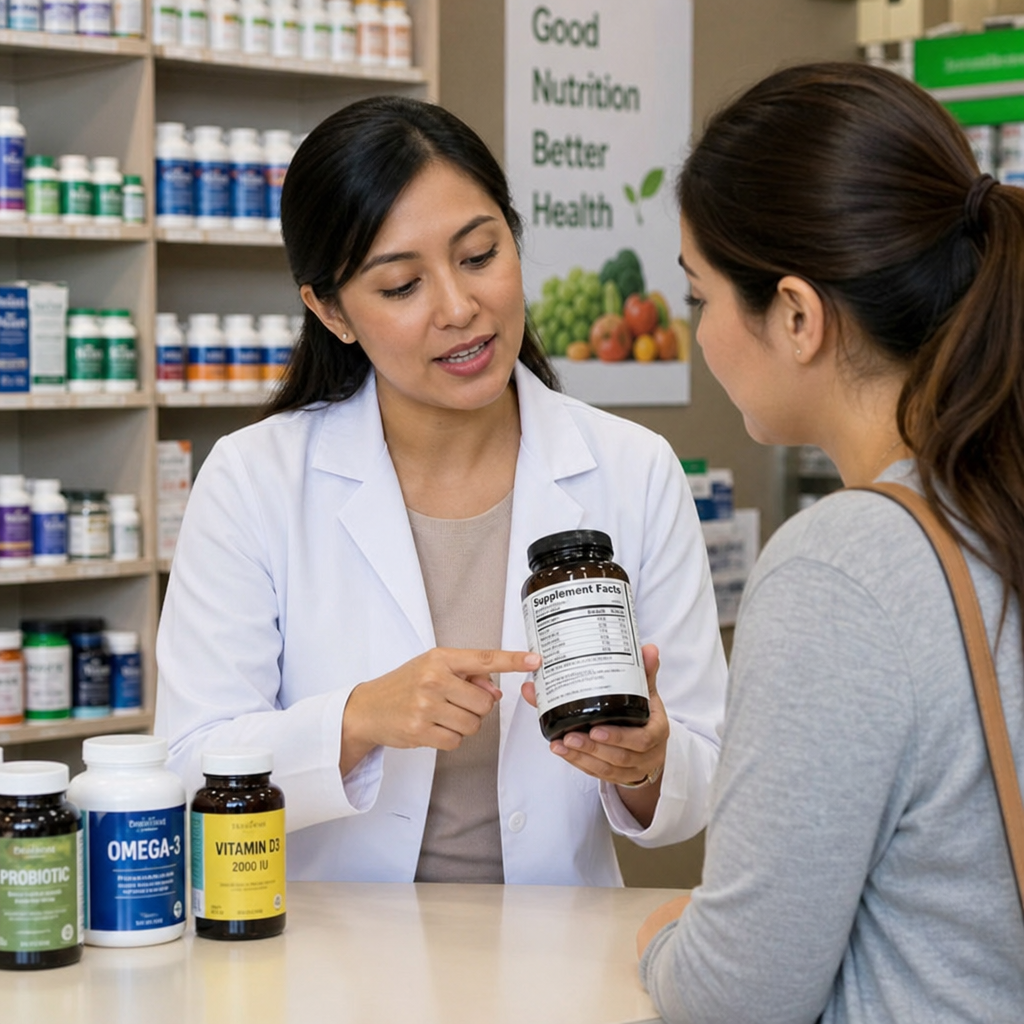
With thousands of products on the market, figuring out how to choose a high quality multivitamin can be a daunting task. Here are a few expert guidelines to ensure you are getting the best vitamins available:
- Test, Don’t Guess: Before overhauling your supplement routine, consider determining nutritional gaps through blood testing. A simple panel from your doctor can tell you exactly what you lack, saving you money and preventing over-supplementation.
- Check the Source: There is an ongoing debate regarding whole food vitamins vs synthetic supplements. Whole food supplements are derived from actual dehydrated fruits and vegetables, making them highly recognizable to the body and generally easier on the stomach. Synthetic vitamins are created in a lab; while they can be highly effective and are often more affordable, some individuals find them harder to digest.
- Look for Third-Party Testing: The best vitamins for women will always be transparent about their ingredients. Look for seals from independent organizations like NSF, USP, or ConsumerLab, which verify that the bottle actually contains what the label claims, free from heavy metals and contaminants.
The Takeaway
There is no one-size-fits-all magic pill for vitality. The best vitamins for women are the ones tailored to your specific age, lifestyle, and biochemical needs. By focusing on high-quality ingredients, understanding the difference between synthetic and natural sources, and listening to your body’s signals, you can curate a daily routine that empowers your long-term wellness. Remember, supplements are meant to supplement a healthy lifestyle—pair them with a colorful diet, adequate sleep, and joyful movement to truly thrive.