
Duration of Semaglutide for Weight Loss
Semaglutide has undeniably transformed the landscape of medical weight management. Originally developed for type 2 diabetes, this powerful medication—often prescribed under brand names like Wegovy or Ozempic—helps regulate appetite and caloric intake. However, as more people embark on this journey, one major question dominates the conversation: how long do you stay on semaglutide for weight loss?
Whether you are just starting your research or are currently on the medication and planning your future steps, understanding the timeline of treatment is crucial for lasting success.

The Early Days: Starting Your Journey
When beginning treatment, it is natural to wonder how fast do you lose weight on semaglutide and exactly how long until semaglutide starts working.
While many patients report a noticeable decrease in appetite within the first few days of their very first injection, visible weight loss on the scale takes a bit more time. You cannot start at the highest dose right away. Instead, your doctor will prescribe a semaglutide titration schedule for beginners. This involves starting at a low dose (typically 0.25 mg weekly) and gradually increasing it every four weeks. This slow ramp-up allows your body to adjust and minimizes gastrointestinal side effects like nausea.
Because of this gradual increase, how long to lose weight on semaglutide depends heavily on your body’s response during the first couple of months.
What to Expect Week by Week
If you track your semaglutide weight loss by week, a healthy and realistic goal is dropping 0.5 to 2 pounds per week. During the initial titration phase, your weight loss might be on the slower side. However, as you reach higher therapeutic doses, the fat loss tends to accelerate. If you find yourself asking how long does it take to lose weight on semaglutide, expect to see the most significant changes between months three and six of your treatment.
Peaking and Plateaus: Maximizing Your Results
Setting realistic expectations is vital. So, how much weight can I lose on semaglutide?
Clinical studies have shown that patients taking the maximum dose alongside lifestyle interventions can lose an average of 15% of their total body weight over a year. When asking how much weight do you lose on semaglutide, remember that your starting weight, diet, and exercise habits will greatly influence your final number.
Over the course of your journey, you will experience a sustained weight loss results timeline. Most patients see continuous weight reduction for about 60 to 68 weeks before their weight stabilizes.
Overcoming Roadblocks
As your body shrinks, your daily caloric needs decrease, which can temporarily halt your progress. Managing semaglutide plateau during treatment involves:
- Recalibrating your macros: Increasing protein intake to preserve lean muscle mass.
- Switching up your workouts: Adding strength training to boost your resting metabolic rate.
- Tracking hidden calories: Ensuring you are still in a gentle caloric deficit.
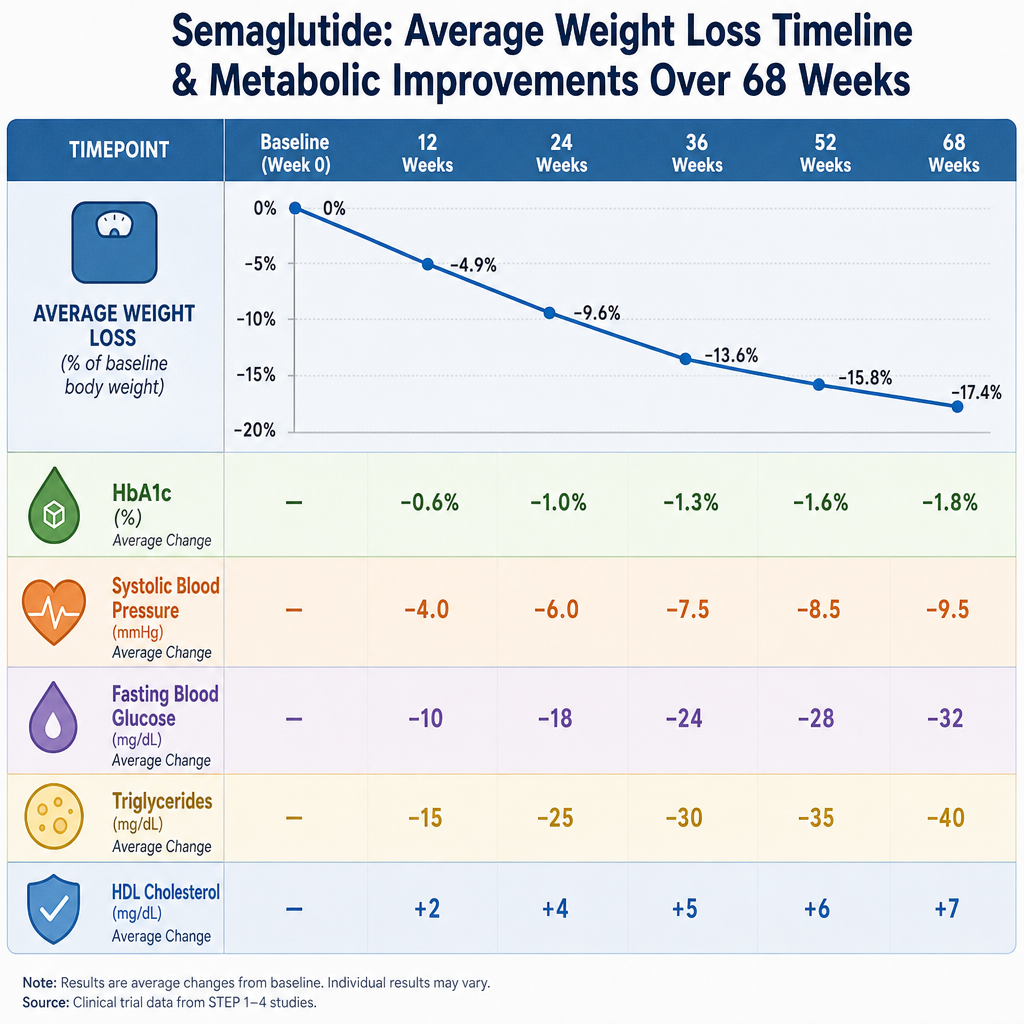
Beyond the scale, you will also experience profound metabolic health improvements over time. Patients frequently see lowered blood pressure, improved cholesterol profiles, and stabilized blood sugar levels, reducing the overall risk of cardiovascular disease.
Duration of Treatment: How Long Is Too Long?
The core question remains: how long do you stay on semaglutide for weight loss? The medical consensus is shifting away from viewing obesity as a temporary issue that requires a quick fix. Instead, obesity is now widely recognized as a chronic metabolic disease.
This paradigm shift highlights the difference between short-term vs long-term semaglutide treatment. While some patients use the medication for six to twelve months to shed a specific amount of weight, medical professionals increasingly advocate for GLP-1 receptor agonist chronic management.
So, can you take semaglutide indefinitely for obesity? According to current medical guidelines, yes. For many, semaglutide is treated much like blood pressure medication—you take it long-term to manage a chronic condition. Clinical trials for long-term semaglutide use have shown that patients who remain on the medication are highly successful at keeping the weight off.
Once you reach your goal weight, your doctor will help you determine your semaglutide maintenance dose duration. This might involve staying on the highest dose, or finding a lower, comfortable dose that keeps your appetite regulated without causing further weight loss. Doctors also continually monitor for any long-term side effects of GLP-1 therapy, though current data suggests it is safe for extended use when administered under medical supervision.
Life After the Injections: Maintaining Your Success
Not everyone wants to stay on medication forever. If you decide to stop, you must be prepared for what happens when you stop taking Wegovy or other GLP-1 medications.
Because semaglutide alters your hunger hormones and slows gastric emptying, stopping the medication abruptly means your natural appetite will return—often with a vengeance. Studies show that a significant number of patients regain a portion of the weight they lost within a year of stopping the medication.

To avoid this rebound, transitioning off semaglutide safely requires careful planning with your healthcare provider. Never quit “cold turkey.” Instead, your doctor will slowly taper your dose down over several months.
Strategies for Keeping the Weight Off
Preventing weight regain after semaglutide requires aggressive lifestyle management. The habits you build while on the medication must become your permanent way of life. An effective weight maintenance strategy after GLP-1 therapy should include:
- Prioritizing Protein: Aim for 0.8 to 1 gram of protein per pound of your target body weight to keep you feeling full naturally.
- Consistent Strength Training: Building muscle increases your metabolic rate, giving you a larger caloric buffer.
- Mindful Eating Practices: Without the medication suppressing your appetite, you must rely on mindful eating cues to stop eating when you are 80% full.
- Routine Check-ins: Continue weighing yourself regularly (e.g., once a week) so you can catch and correct a 3-5 pound weight gain before it becomes a 20-pound regain.
The Bottom Line
There is no one-size-fits-all answer to how long you should stay on semaglutide. For some, it is a stepping stone lasting 12 to 18 months to help them establish healthier habits. For others, it is a lifelong tool used to chronically manage their metabolic health. By understanding the timeline of your treatment, setting realistic goals, and proactively planning your long-term maintenance strategy, you can ensure that the weight you lose on semaglutide stays off for good. Always consult with your healthcare provider to tailor a timeline and treatment plan that uniquely fits your biology and lifestyle.