
Understanding Phentermine Side Effects in Women
If you have been struggling to shed stubborn pounds, you are not alone. For many women, diet and exercise alone sometimes aren’t enough to break through weight-loss plateaus. In these cases, medical professionals often prescribe medication to help jumpstart the process. Using phentermine for weight loss is one of the most common medical interventions available today.
However, women’s bodies are uniquely complex. Our hormones, metabolisms, and life stages mean that medications can affect us differently than they do men. If you have been prescribed this medication or are considering it, understanding phentermine side effects in females is crucial for managing your health, maximizing results, and feeling your best throughout your weight-loss journey.

The Basics: What It Is and How It Works
Before diving into the side effects, it helps to understand exactly what you are taking. Phentermine is a prescription appetite suppressant that has been used for decades. But is phentermine a controlled substance? Yes, it is classified as a Schedule IV controlled substance due to its potential for misuse, meaning it must be prescribed and monitored carefully by a doctor.
To understand how phentermine works, we have to look at the brain. The medication acts as a central nervous system stimulant. At a biological level, its mechanism involves hypothalamic-pituitary-adrenal axis stimulation. In simpler terms, it triggers the release of neurotransmitters like norepinephrine, dopamine, and serotonin. This process essentially tricks your brain into feeling full, giving you the control to eat smaller portions without intense hunger pangs.
Typically, patients take phentermine pills once a day, usually in the morning, to prevent sleep disturbances.
Common Phentermine Side Effects in Females
While many people tolerate the medication well, phentermine side effects are relatively common. Because Adipex (a popular brand name for phentermine) acts as a stimulant, adipex side effects often mimic the feeling of having consumed too much caffeine. You might experience jitteriness, a rapid heart rate, or dizziness.
However, there are specific phentermine side effects in females that are deeply tied to our unique biology.
Hormonal Changes and Menstrual Cycles
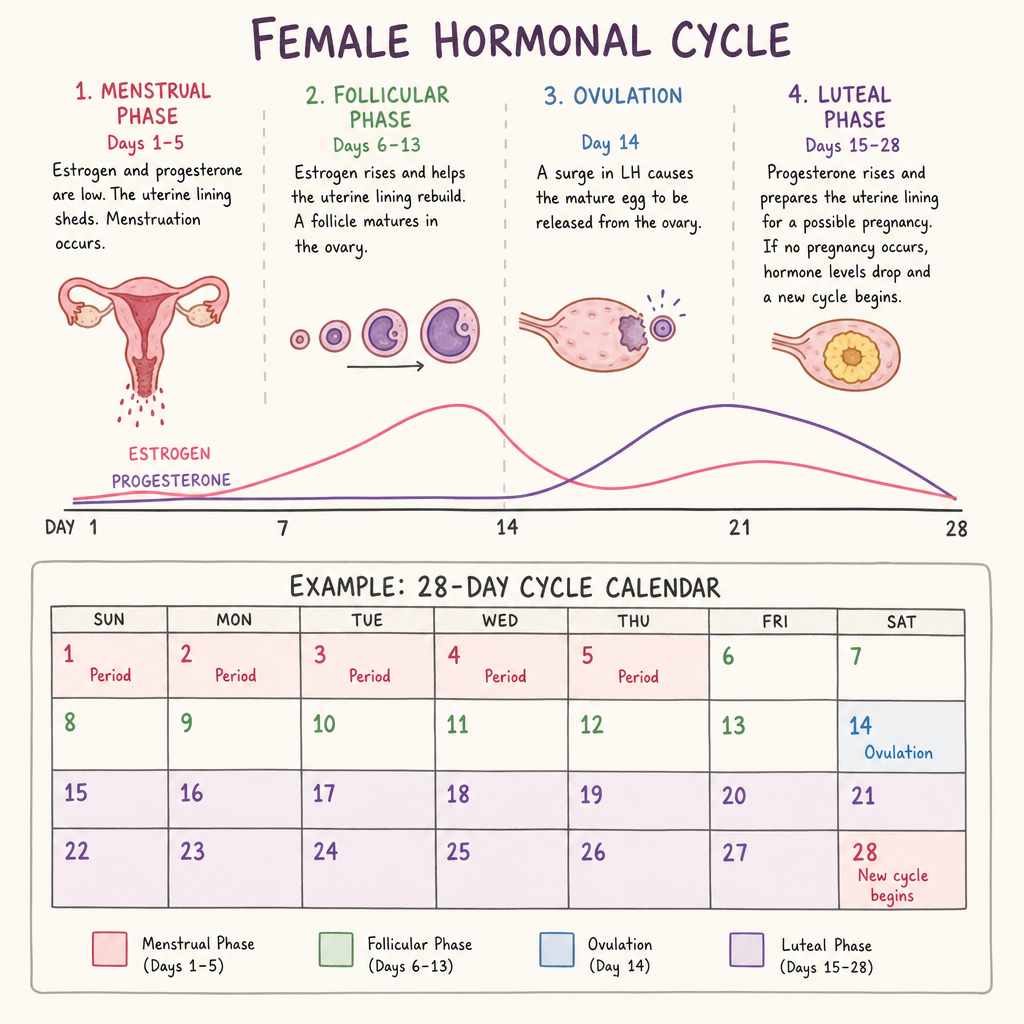
One of the most frequent questions women ask is: how does phentermine affect menstrual cycles? Rapid weight loss and central nervous system stimulation can both place stress on the body. This physical stress often leads to hormonal fluctuations during phentermine use. As a result, you might notice your periods becoming irregular, lighter, heavier, or even late.
Additionally, you might wonder, can phentermine cause hair loss in women? While not a direct side effect of the drug itself, the rapid weight loss and sudden caloric deficit associated with it can lead to temporary hair thinning, a condition known as telogen effluvium. Ensuring you get enough protein and essential vitamins can help mitigate this.
Heart Health and Metabolism
Because this medication speeds up your body’s systems, it is vital to discuss cardiovascular risks for women on adipex with your doctor, especially if you have a history of high blood pressure or heart disease. Regular check-ups are essential; in fact, monitoring blood pressure while taking sympathomimetic amines (the class of drugs phentermine belongs to) is a non-negotiable part of your treatment plan.
Furthermore, it is important to consider the long term impact on metabolic health. Phentermine is designed for short-term use (usually 12 weeks). Relying on it for too long can lead to a tolerance buildup, meaning it loses its effectiveness while still putting strain on your cardiovascular system.
Mental Well-being and Sleep
Stimulants can sometimes amplify anxiety or irritability. Alleviating mood swings on stimulants requires a proactive approach: ensure you are eating nutrient-dense foods (even when you aren’t hungry) and staying hydrated.
Sleep is another major hurdle. Relieving insomnia from weight loss medication usually comes down to timing. Always take your medication as early in the morning as possible, limit afternoon caffeine, and establish a calming nighttime routine to help your brain wind down.
Practical Tips for Managing Symptoms
Managing daily side effects doesn’t have to be overwhelming. Here are a few actionable tips to make your treatment more comfortable:
- Hydration is Key: Managing phentermine induced dry mouth is a common struggle. Keep a water bottle with you at all times, chew sugar-free gum, or use saliva-substitute lozenges to keep your mouth comfortable.
- Check Your Medications: Because it is a powerful stimulant, you must be aware of sympathomimetic amine drug interactions. Always inform your doctor of any other medications, including antidepressants (like SSRIs) or over-the-counter cold medicines, to avoid adverse reactions.
- Don’t Skip Meals: Even if your appetite is gone, starving your body will only worsen mood swings and hair loss. Focus on small, high-protein meals.

Women’s Health Specifics: Dosage, Pregnancy, and Alternatives
When tailoring a weight loss plan, the recommended dosage for female obesity treatment usually starts at 15 mg to 37.5 mg daily, depending on the individual’s baseline health and tolerance. Your doctor will likely start you on a lower dose to see how your body reacts before increasing it.
Family Planning
If you are planning to grow your family, you must ask: is phentermine safe while trying to conceive? The short answer is no. Phentermine is contraindicated during pregnancy and should be stopped immediately if you are trying to conceive or discover you are pregnant, as it can pose severe risks to fetal development.
Exploring Alternatives
Sometimes, phentermine just isn’t the right fit. You might discuss phentermine vs qsymia for female weight loss with your healthcare provider. Qsymia is a combination drug (phentermine and topiramate) that often allows for a lower dose of phentermine, potentially reducing stimulant-related side effects while effectively controlling cravings.
If you prefer to avoid prescriptions altogether, you might look into natural appetite suppressants for women. Foods high in soluble fiber, green tea extract, and adequate daily protein can naturally help balance your blood sugar and keep you feeling fuller for longer.
Conclusion
Navigating weight loss medication requires a balance of determination and careful health monitoring. By understanding how the medication interacts with the female body—from menstrual irregularities to heart health—you can take a proactive role in your wellness journey. Always communicate openly with your healthcare provider about any side effects you experience, and remember that medication is just one tool in a broader, holistic approach to achieving long-lasting health.