
Top Home Injections for Effective Weight Loss
The journey toward a healthier body and a sustainable lifestyle is often paved with trial and error. For decades, the wellness market has been flooded with quick fixes, leaving many frustrated and searching for a medical breakthrough. Recently, that breakthrough has arrived in the form of injectable medications. If you have found yourself wondering, “what is the best injection for weight loss at home,” you are joining millions of people who are discovering a revolutionary approach to medical weight management.
In this comprehensive guide, we will explore the science behind these treatments, compare the top contenders, and provide practical advice on how to use them safely and effectively from the comfort of your own home.
The Evolution: From Pills to Peptides
For many individuals beginning their journey toward weight loss, weight loss supplements represent an accessible first step. Pharmacy shelves are lined with green tea extracts, caffeine-heavy fat burners, and metabolism boosters. Consumers frequently search for the best supplements for weight loss or try to hunt down the best over the counter weight loss pills. However, the reality is that while some of these products may offer a minor metabolic nudge, they rarely produce dramatic or long-lasting results.
Frustrated by the lack of efficacy, many patients eventually ask their doctors, “what is the strongest weight loss prescription pill?” While traditional weight loss pills that actually work—such as Phentermine or Qsymia—do exist and have helped many, they are often central nervous system stimulants. These oral weight loss pills can come with drawbacks, such as jitteriness, insomnia, and the potential for increased heart rate.
Today, the medical community has shifted its focus. The most effective, FDA approved chronic weight management treatments are no longer just oral medications; they are injectable peptides. These injectables mimic natural hormones in the body, offering a safer, more sustainable, and highly effective alternative for chronic weight management.
The Science of Injectable Weight Management
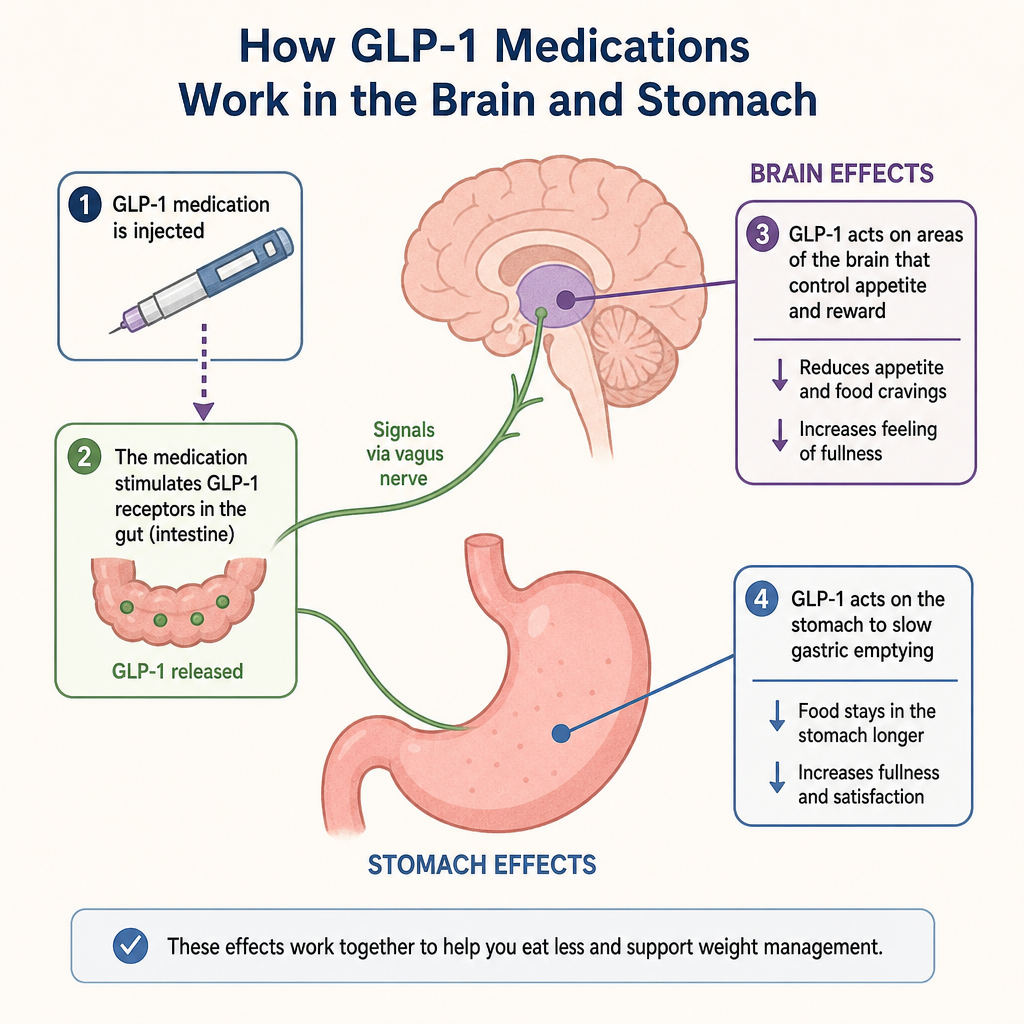
To understand why these home injections are so effective, we must look at the underlying science. The most prominent class of these medications is known as GLP-1 receptor agonist medications for obesity.
GLP-1 (Glucagon-like peptide-1) is a naturally occurring hormone produced in your gut when you eat. It tells your pancreas to release insulin, but more importantly for weight management, it communicates directly with the appetite centers in your brain. The appetite suppression mechanisms of GLP-1 drugs work by mimicking this hormone, making you feel fuller faster and keeping you satisfied for longer periods by delaying gastric emptying (the rate at which food leaves your stomach).
Beyond just dropping pounds on the scale, there are profound metabolic health benefits of injectable peptides. They help regulate blood sugar levels, reduce systemic inflammation, and can even lower the risk of cardiovascular events in certain patient populations.
Comparing the Top Contenders
When asking what is the best injection for weight loss at home, there isn’t a single answer. The “best” option depends on your unique physiology, medical history, and lifestyle preferences. Here is a breakdown of the most popular medications on the market today.
Saxenda vs Wegovy Efficacy Comparison
Both Saxenda (liraglutide) and Wegovy (semaglutide) are GLP-1 receptor agonists manufactured by Novo Nordisk, but they have distinct differences.
- Saxenda: This medication requires a daily injection. While highly effective for weight loss, clinical trials generally show a lower total percentage of body weight lost compared to newer medications. It is often prescribed if a patient cannot tolerate the side effects of stronger alternatives.
- Wegovy: This is a once-weekly injection. In clinical trials, Wegovy has demonstrated superior weight loss results compared to Saxenda. Many patients also heavily prefer the once-weekly weight management injection benefits, as injecting four times a month is vastly more convenient than injecting thirty times a month.
Semaglutide vs Tirzepatide for Fat Loss
The newest battle in the medical weight loss space is between Semaglutide (Wegovy/Ozempic) and Tirzepatide (Zepbound/Mounjaro).
- Semaglutide: A highly effective GLP-1 agonist that has set the gold standard for modern obesity treatment. It yields an average weight loss of around 15% of total body weight over a year.
- Tirzepatide: This is a “dual-agonist.” It targets both GLP-1 and GIP (Glucose-dependent insulinotropic polypeptide) receptors. Because it triggers two distinct hormonal pathways, early data and clinical trials suggest that Tirzepatide may be even more effective for fat loss, with some patients losing up to 20% or more of their body weight.
Eligibility and Getting Started
These medications are not cosmetic quick fixes; they are serious medical interventions. So, who is eligible for prescription obesity medication?
Generally, healthcare providers follow strict FDA guidelines. You may be a candidate if:
- You have a Body Mass Index (BMI) of 30 or higher (classified as obese).
- You have a BMI of 27 or higher (classified as overweight) alongside at least one weight-related comorbidity, such as type 2 diabetes, high blood pressure, or sleep apnea.
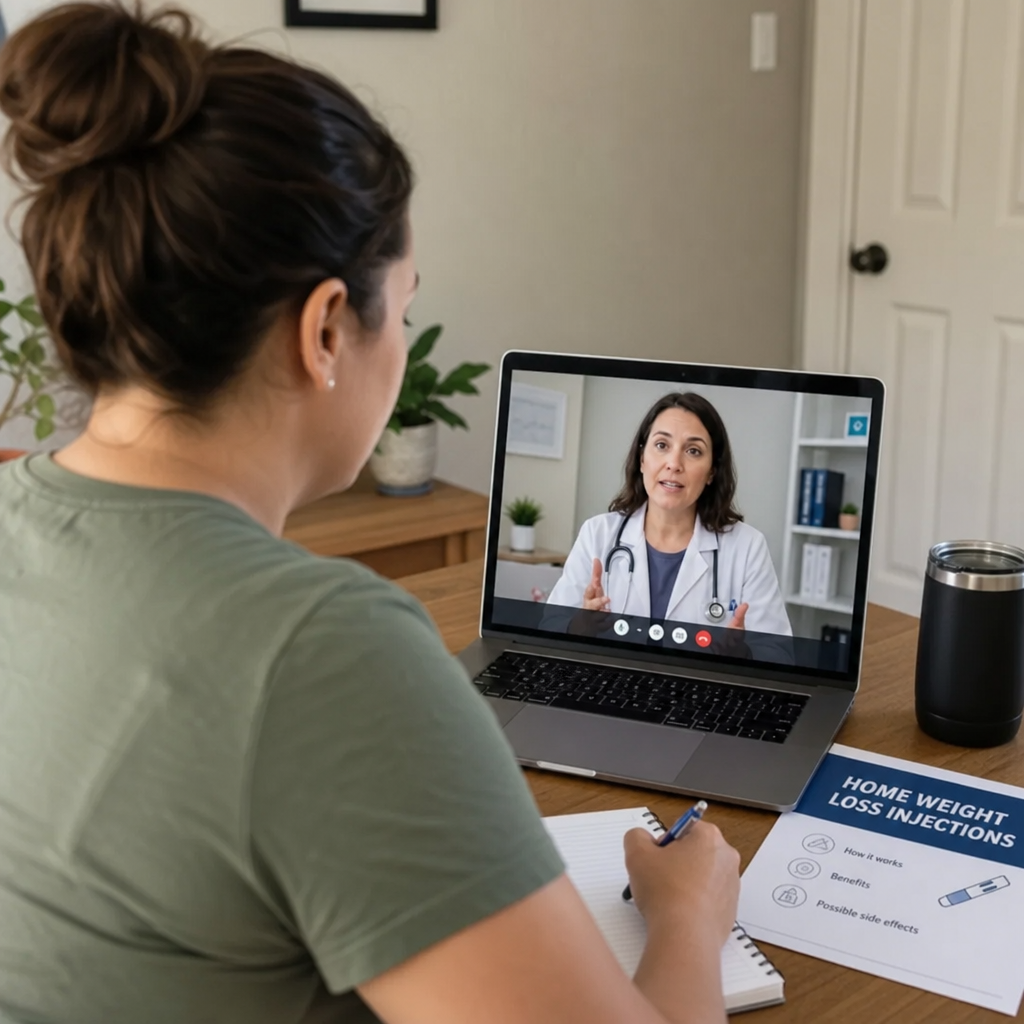
Getting a prescription for medical weight loss requires a comprehensive consultation with a licensed healthcare professional. This can be done through your primary care physician, an endocrinologist, or through reputable, specialized telehealth platforms that focus on medical weight management. Your provider will review your medical history, current medications, and order lab work to ensure an injectable is the right choice for you.
Taking the Shot at Home: Safety and Administration
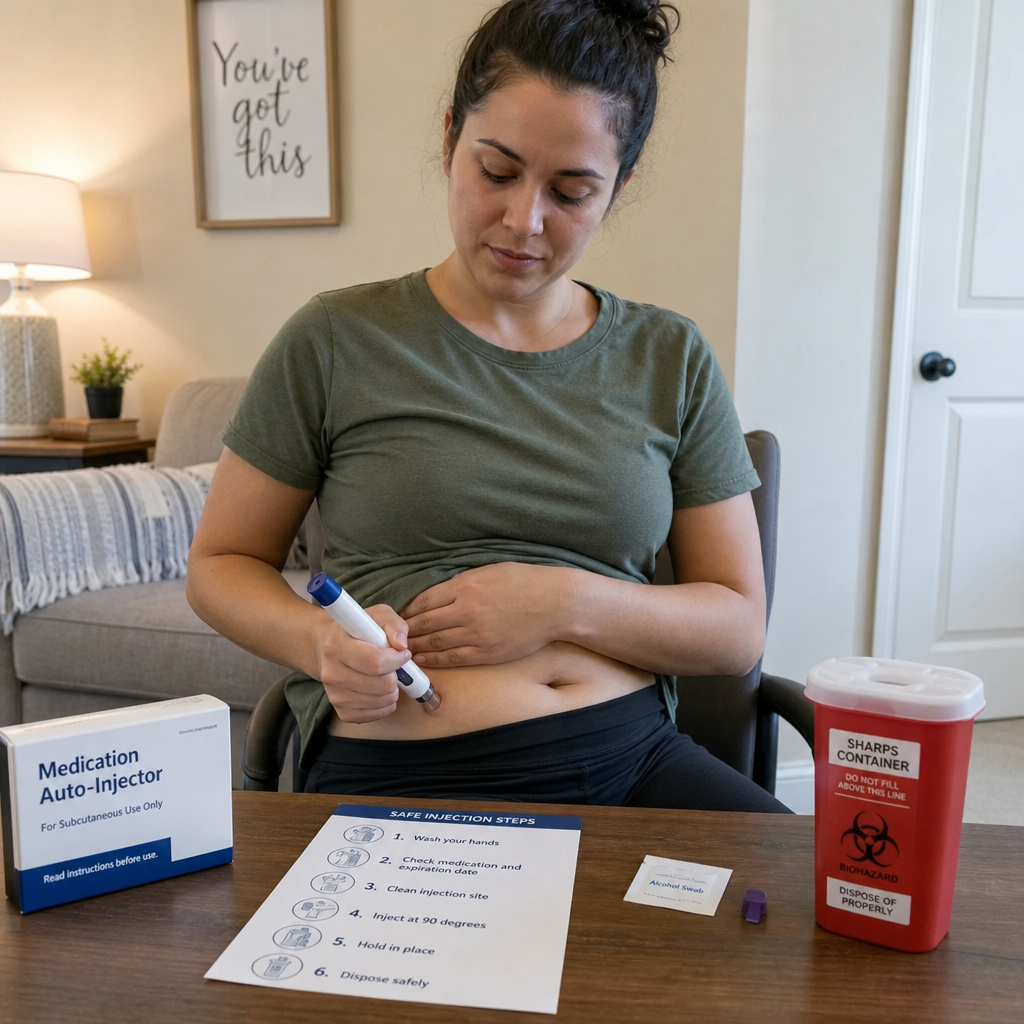
The idea of giving yourself a shot can be intimidating, but modern pharmaceutical engineering has made the process practically painless. Most of these medications come in pre-filled, single-use auto-injector pens.
If you want to know how to self-administer weight loss shots safely, follow this step-by-step guide to using auto-injector pens. (Note: Always defer to the specific subcutaneous weight loss injection pen instructions provided by your pharmacist or doctor).
- Preparation: Wash your hands thoroughly with soap and warm water. Gather your supplies: your medication pen, an alcohol swab, and a sharps disposal container.
- Inspect the Medication: Look through the viewing window on the pen. The liquid should be clear and colorless. If it is cloudy or has particles, do not use it.
- Choose Your Injection Site: These are subcutaneous injections, meaning they go into the fatty tissue just below the skin. The best sites are your lower abdomen (at least two inches away from your belly button), the front of your thighs, or the back of your upper arms. Rotate your injection site weekly to prevent skin irritation.
- Clean the Site: Wipe the chosen area with the alcohol swab and let it air dry completely. Do not blow on it.
- Administer the Shot: Remove the cap from the pen. Press the pen firmly against your skin. You will typically hear a loud “click,” indicating the injection has started. Keep holding it firmly.
- Wait for the Second Click: You will usually hear a second “click” or see a colored bar fill the viewing window. Hold the pen in place for another 5 to 10 seconds to ensure all medication is delivered.
- Dispose Safely: Never throw the pen in your regular trash. Place it immediately into a designated sharps container.
Proper Medication Storage
Learning how to store refrigerated injectable medications is crucial for maintaining their efficacy.
- In the Fridge: Unused pens must be kept in the refrigerator between 36°F and 46°F (2°C to 8°C). Do not store them too close to the cooling element, as freezing ruins the peptides.
- Room Temperature: Depending on the specific brand (Wegovy, Zepbound, etc.), a pen can usually be kept at room temperature (up to 86°F) for up to 21 to 28 days. Always check your specific medication’s insert for exact room temperature guidelines. Keep them away from direct sunlight and extreme heat.
Navigating Side Effects and Maximizing Success
Because these medications drastically alter how your digestive system functions, your body will need time to adjust. It is important to be aware of the common side effects of injectable weight loss drugs. These most frequently include gastrointestinal distress such as nausea, vomiting, diarrhea, constipation, acid reflux, and mild fatigue.
Fortunately, these side effects are usually temporary and tend to peak in the days immediately following a dose increase. Healthcare providers use a “dose-escalation” schedule—starting you on a very low dose and slowly increasing it over several months—to mitigate these issues.
Actionable Tips for Managing Nausea
Managing nausea from weight loss injections is one of the most common challenges patients face. Here is how to keep it under control:
- Eat Smaller, More Frequent Meals: Because gastric emptying is delayed, a standard-sized meal will sit in your stomach much longer. Transition to eating smaller portions throughout the day.
- Avoid Fried and Greasy Foods: High-fat foods are notoriously difficult to digest and will heavily exacerbate feelings of nausea and bloating.
- Stay Hydrated: Drink plenty of clear liquids. Ice water, peppermint tea, and ginger ale can help soothe an upset stomach.
- Stop Eating Before You Are Full: The sensation of fullness will hit you on a delay. Stop eating when you feel 80% full to prevent overeating and subsequent nausea.
- Prioritize Protein: When you do eat, focus on high-quality proteins to help preserve muscle mass during your weight loss phase.
Conclusion: A Tool, Not a Magic Wand
If you are trying to determine what is the best injection for weight loss at home, the answer ultimately lies in a collaborative decision between you and your healthcare provider, balancing efficacy, convenience, and how your body responds to the medication. Whether you opt for a daily liraglutide injection or experience the powerful effects of a weekly tirzepatide dose, these medications represent a monumental leap forward in treating obesity.
However, it is vital to remember that injectables are just one part of the puzzle. They are incredibly powerful tools, but they work best when paired with mindful nutrition, adequate hydration, stress management, and regular physical activity. By combining the latest in medical science with sustainable lifestyle changes, achieving and maintaining a healthy weight is more possible today than ever before.