
Effective Weight Loss Solutions for Everyone
Finding effective weight loss solutions doesn’t mean resorting to extreme, punishing regimens. While the internet is flooded with promises of quick weight loss, true, long-lasting success is always rooted in sustainable lifestyle changes. Whether you are exploring structured weight loss programs or researching natural weight loss methods, understanding your body’s unique needs is the foundational step toward healthy weight loss.
Optimizing Your Daily Nutrition
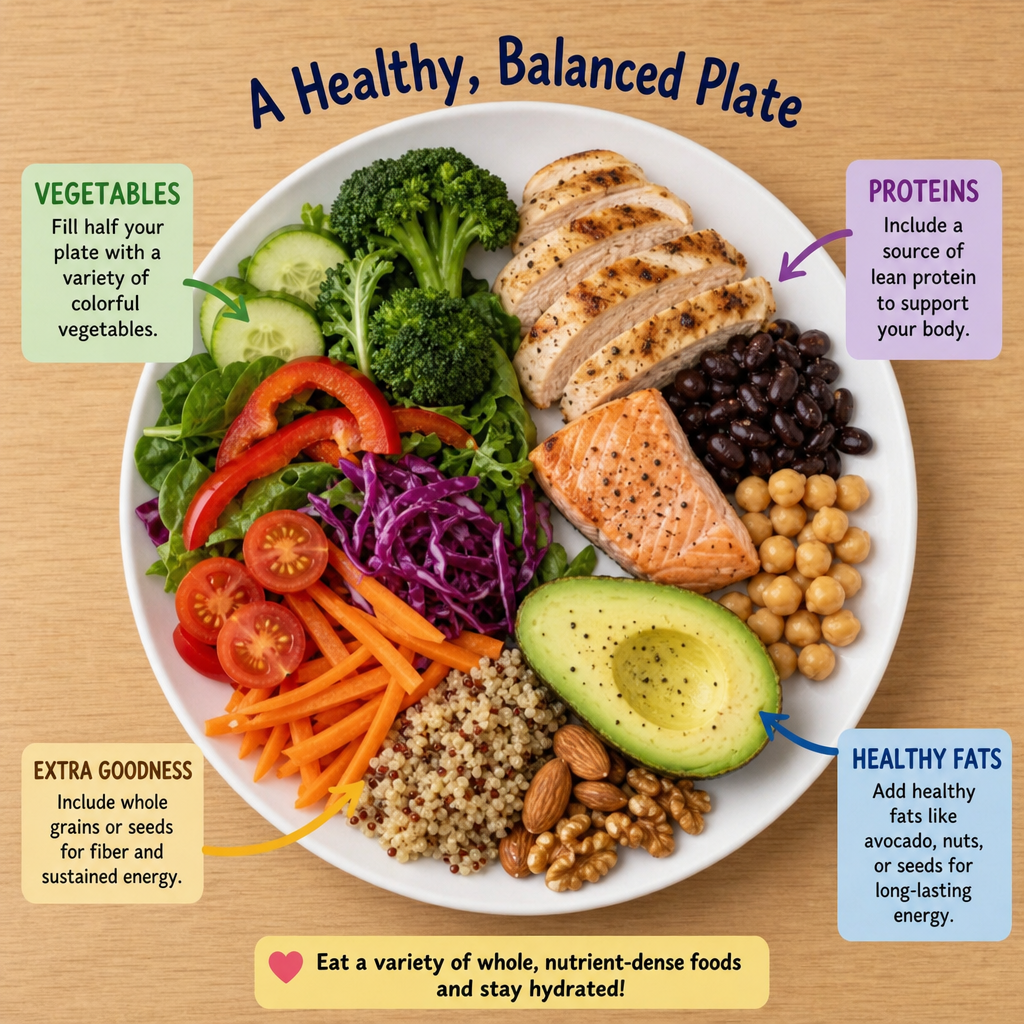
There is no single perfect diet, but looking closely at low-carb vs Mediterranean diet results reveals that prioritizing whole, unprocessed foods consistently yields the best outcomes. To find the ideal macronutrient ratio for fat loss, you should emphasize high-protein meal planning for satiety. Protein not only keeps you feeling full for longer periods, but it also helps preserve lean muscle mass while you shed fat.
Additionally, adjusting your eating window can be highly effective. Exploring intermittent fasting for beginners—such as the 16:8 method—offers a straightforward way to naturally reduce your daily caloric intake without obsessively logging every single bite.
Balancing Metabolism and Movement
A fundamental rule of dropping pounds is eating less than you burn. However, navigating a caloric deficit vs metabolic adaptation requires careful planning. If you slash calories too aggressively, your body defends itself by slowing down your metabolism.
To keep your internal engine running efficiently, you must manage the role of insulin sensitivity in fat storage. Regular exercise is key here. When evaluating strength training vs cardio for metabolism, remember that lifting weights builds lean muscle tissue. This increased muscle mass elevates your resting metabolic rate much more effectively than endless hours on the treadmill.
Mastering the Mental Game

Even the most scientifically backed weight loss strategies will falter if you ignore your mindset. The psychology of emotional eating habits is a major roadblock for many people.
To implement truly actionable weight loss tips, start by identifying your specific behavioral triggers for overeating—whether that is workplace stress, boredom, or sleep deprivation. Recognizing these emotional cues allows you to swap harmful snacking for healthier coping mechanisms, such as taking a brisk walk or drinking a cup of herbal tea.
Breaking Through Barriers and Medical Support
Inevitably, the scale will eventually stall. Knowing how to overcome weight loss plateaus usually involves a slight adjustment: taking a short diet break, tweaking your macros, or increasing your workout intensity. During these frustrating phases, shift your focus to tracking body composition progress (like taking waist measurements or noting how your clothes fit) rather than just staring at the scale.
For individuals who struggle despite strict adherence to diet and exercise, there are modern non-surgical obesity management options available. Medical weight loss solutions have evolved significantly in recent years. For instance, having GLP-1 receptor agonists explained by a healthcare specialist can reveal how these modern medications help mimic fullness hormones to quiet constant “food noise.” However, it is vital to thoroughly discuss potential appetite suppressant side effects with your doctor to ensure safety and long-term viability.
The Takeaway
Achieving a healthier body is a deeply personal journey. By blending nutritional smarts, mindful movement, and psychological awareness, you can build a customized, sustainable path to lifelong wellness.