
Understanding Dip Powder Nail Side Effects
Dip powder manicures have completely revolutionized the beauty industry. Offering the durability of acrylics with a thinner, more flexible finish, it is easy to see why so many people have abandoned traditional polish for this long-lasting alternative. They boast a chip-free lifespan of up to four weeks and completely bypass the need for ultraviolet (UV) curing lamps.
However, as with any beauty treatment that involves chemicals and harsh removal processes, consumers are beginning to ask important questions: Are dip nails safe? Do the aesthetic benefits outweigh the potential drawbacks?
If you are a frequent salon-goer or a DIY manicure enthusiast, understanding the side effects of dip powder nails is essential for maintaining your long-term nail health. Let’s dive deep into the chemistry, the risks, and the best practices for keeping your hands healthy and beautiful.

What Exactly Is a Dip Powder Manicure?
Before we can understand the potential issues, we have to look at how the system works. A dip powder manicure (often referred to by brand names like SNS) involves applying a liquid base coat to the nail, dipping the finger into a jar of finely milled colored powder, and then sealing it with a liquid activator and top coat.
The liquid base used in these systems is typically formulated with cyanoacrylate—the exact same chemical family found in Super Glue and liquid bandages. The activator then sparks a chemical reaction that instantly hardens the powder and resin combination. While this creates an incredibly strong bond, the very chemicals that make the manicure indestructible can also be the source of several adverse reactions.
Allergic Reactions and Skin Irritation
One of the most immediate concerns for frequent users revolves around allergies. Because the chemicals used are potent, prolonged exposure can trigger immune responses.
Cyanoacrylate Allergies
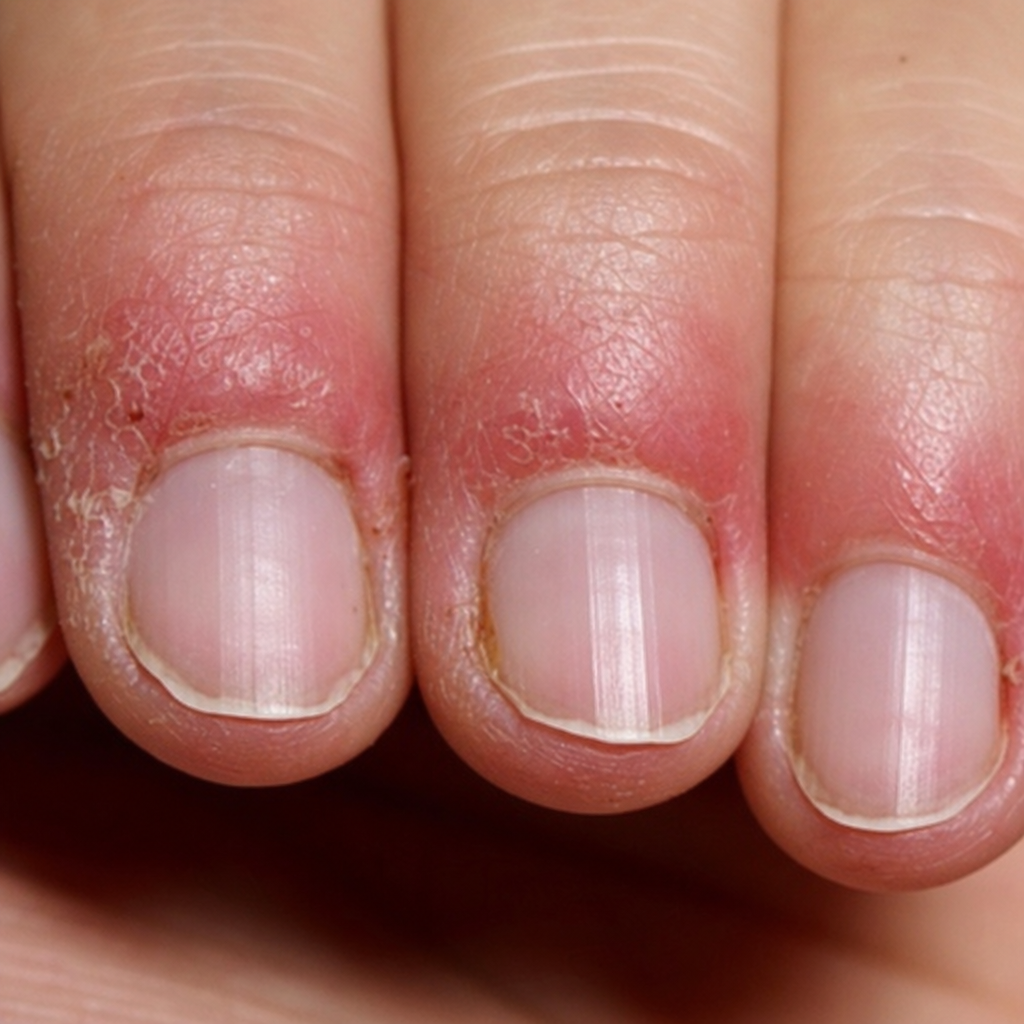
Because the base liquid is an adhesive, it is not uncommon for users to develop sensitivities over time. Cyanoacrylate allergy symptoms in nail products typically manifest as severe itching, swelling, redness, and peeling of the skin around the fingertips. Once you develop an allergy to cyanoacrylate, it is usually a lifelong condition, meaning you will have to avoid dip powder entirely.
Contact Dermatitis
If the liquid base or top coat frequently touches the skin during application, you may notice signs of allergic contact dermatitis from nail dip. This condition looks like a localized rash, often accompanied by tiny blisters around the nail folds.
Pro Tip: Preventing cuticle irritation during dip application comes down to precision. Always leave a tiny, hair-width gap between the dip powder layers and your cuticle. Never flood the cuticle with the liquid base coat, and apply a high-quality barrier cream or cuticle oil around the skin before the manicure begins.
The Hidden Respiratory Hazards
While we often focus on what happens to our skin, we rarely think about what we are inhaling at the nail desk.
The liquids used in the dip process—especially the activator that cures the powder—emit strong chemical fumes. It is quite common for nail technicians and clients alike to experience respiratory irritation from dip powder activator. Symptoms include a sudden tickle in the throat, coughing, sneezing, a runny nose, or watery eyes during the application process.
To minimize these risks, always ensure that your salon is well-ventilated. If you are doing your nails at home, open a window, use a small desk fan to blow fumes away from your face, and consider wearing a mask.
Hygiene and Infection Risks
One of the most talked-about side effects of dip powder nails is the potential for bacterial and fungal transmission.
The Double-Dipping Dilemma
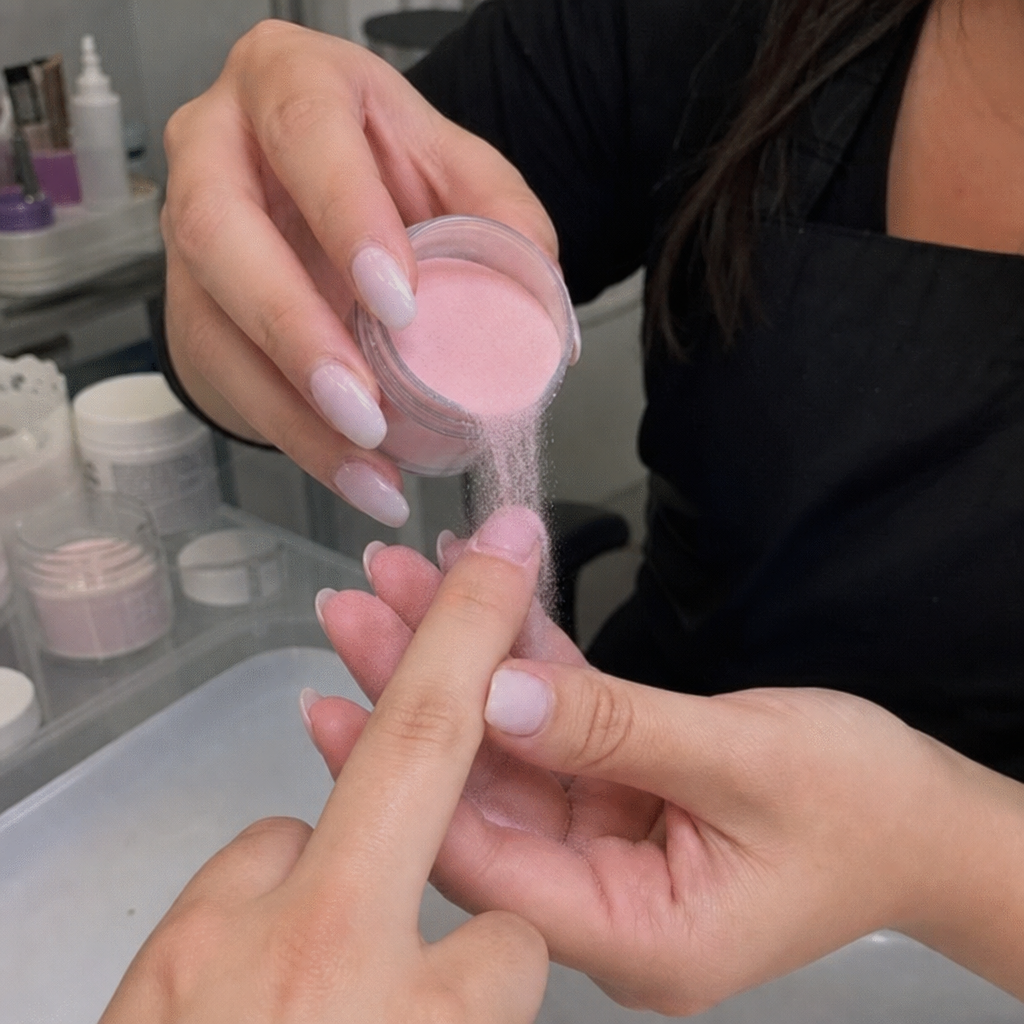
Many salons use communal jars for their dip powders. This means multiple clients are dipping their raw, sometimes micro-cut fingers into the exact same product. The sanitation risks of communal dip powder jars are significant.
This leads to a very common question: does dip powder cause fungal infections? The powder itself does not generate fungus, but if a previous client had a nail infection, the bacteria or fungus can contaminate the jar. If you dip your finger into that same jar—especially if you have a freshly trimmed, bleeding cuticle—you can easily contract paronychia (a bacterial skin infection) or onychomycosis (nail fungus).
How to stay safe: Ensure your nail technician either pours the powder over your nail into a disposable tray or uses a single-use portion of powder just for you.
The Impact on Your Natural Nails
People constantly ask dermatologists and manicurists: is dip good for your nails? The short answer is no. While it can act as a hard physical shield to prevent natural nails from snapping, the product itself does not provide any nourishing benefits.
So, is dip powder bad for your nails? Or, more broadly, are dip nails bad for you? They aren’t inherently “bad” if applied and removed perfectly, but the margin for error is incredibly small.
Structural Damage and Thinning
When asking, does dip powder damage nails, the answer usually lies in the prep and removal phases rather than the wearing phase. Aggressive filing of the natural nail plate with an electric drill (e-file) before application significantly thins the nail.
Over time, you may experience severe nail bed damage from dip powder. The constant filing, combined with the heavy weight of the acrylic powder, can cause brittle nails after consistent dip powder use.
Onycholysis
Another serious structural issue to watch out for is nail lifting. Pay close attention to onycholysis symptoms from nail enhancements, which occur when the natural nail separates from the underlying pink nail bed. This usually looks like a white or yellowish opaque spot that spreads from the tip of the nail downward. It can be caused by the trauma of a heavy dip manicure catching on an object, or from the harsh chemicals dehydrating the nail plate. If you notice lifting, you must remove the enhancement immediately to prevent water from getting trapped underneath, which creates a breeding ground for “green nail syndrome” (Pseudomonas bacteria).
The Big Question: Do Dip Nails Cause Cancer?
Because the word “chemicals” is thrown around so frequently, a common search query is: do dip nails cause cancer?
Currently, there is no scientific evidence linking the cyanoacrylate or acrylic powders used in dip manicures to cancer. The primary reason people ask this is usually due to confusion with gel manicures.
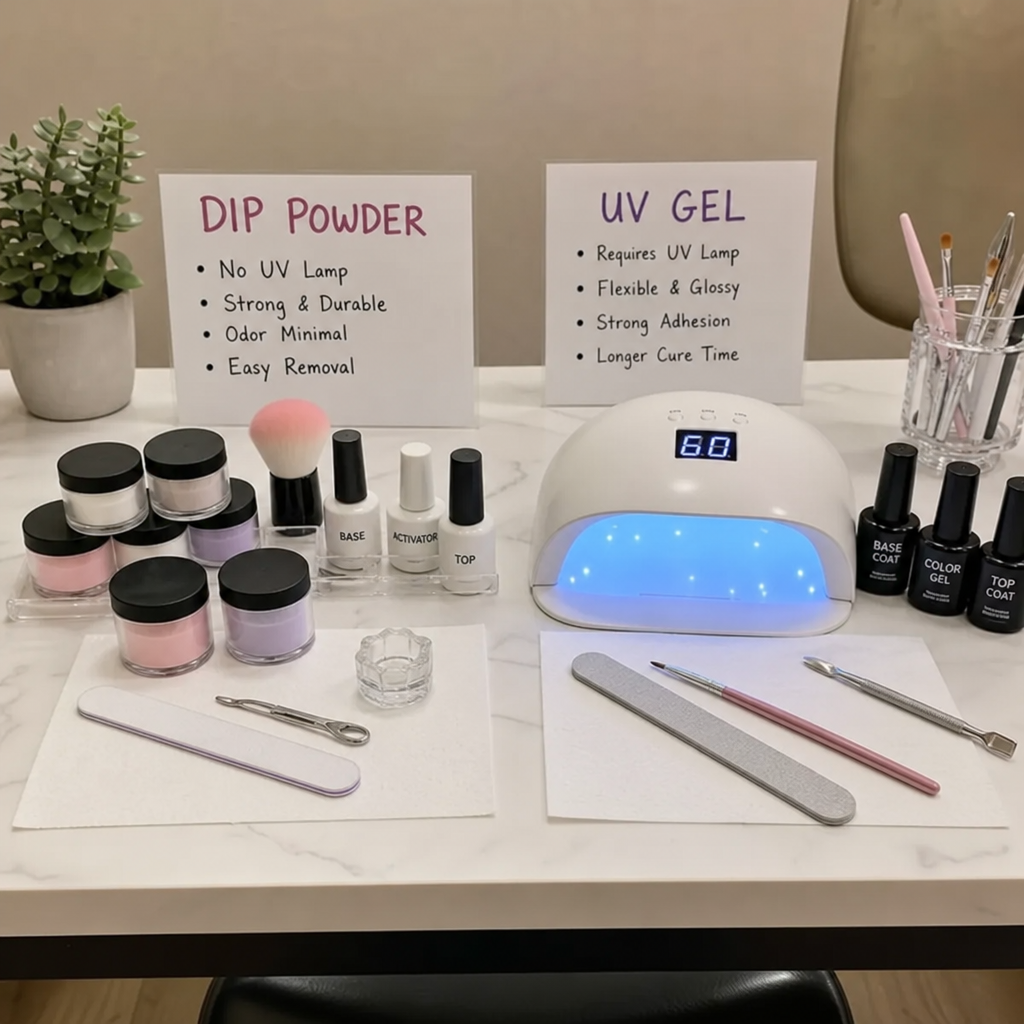
When analyzing dip powder vs gel polish health risks, the primary distinction is UV exposure. Gel polish requires curing under a UV or LED lamp, which emits UVA rays. Frequent exposure to these rays over many years carries a slight risk of premature skin aging and skin cancer. Dip powder air-dries and requires absolutely zero UV light, completely eliminating this specific risk. However, as noted earlier, dip carries higher risks of contact dermatitis and respiratory irritation compared to standard gel polish.
Safe Application and Removal
The vast majority of nail damage occurs not when you put the dip on, but when you take it off. Picking, peeling, or biting off a dip manicure will rip off the top layers of your natural nail plate, leaving them paper-thin and highly sensitive.
Mastering the Removal Process
If you want to protect your hands, you must learn the safest way to remove dip powder at home:
- File the Top Coat: Use a coarse grit hand file to buff away the shiny top coat completely. This breaks the seal and allows the acetone to penetrate.
- Protect Your Skin: Apply a thick layer of petroleum jelly or heavy cuticle cream to the skin surrounding your nails.
- The Cotton and Foil Method: Soak a cotton ball in 100% pure acetone, place it directly on the nail, and wrap your fingertip tightly in aluminum foil.
- Add Warmth: Place a warm towel over your hands. Heat accelerates the breakdown of the cyanoacrylate.
- Wait and Wipe: Leave the foils on for 15-20 minutes. The dip should crumble and wipe away easily. Never scrape forcefully with a metal tool.
Acetone and Skin Health
Even with perfect technique, soaking in pure solvent takes a toll. The long-term impact of acetone soak on skin includes severe dehydration, disruption of the skin’s natural moisture barrier, and premature wrinkling of the fingertips. Always follow up a removal session with a heavy hand mask, deeply hydrating lotion, and jojoba-based cuticle oil to replenish lost lipids.
How to Recover and Repair Your Nails
If you are already dealing with the aftermath of back-to-back salon visits, you are likely wondering how to fix thinning nails after manicures. The good news is that nails grow, and with proper care, you can restore them to their former glory.
- Keep Them Short: While recovering, keep your nails filed short to prevent painful snags, tears, and further lifting.
- Invest in Proteins: Look into a keratin treatment for recovering natural nails. Keratin is the protein that makes up your nails. Daily application of a keratin-infused nail hardener or oil can temporarily bond the peeling layers of a damaged nail, giving it strength as it grows out.
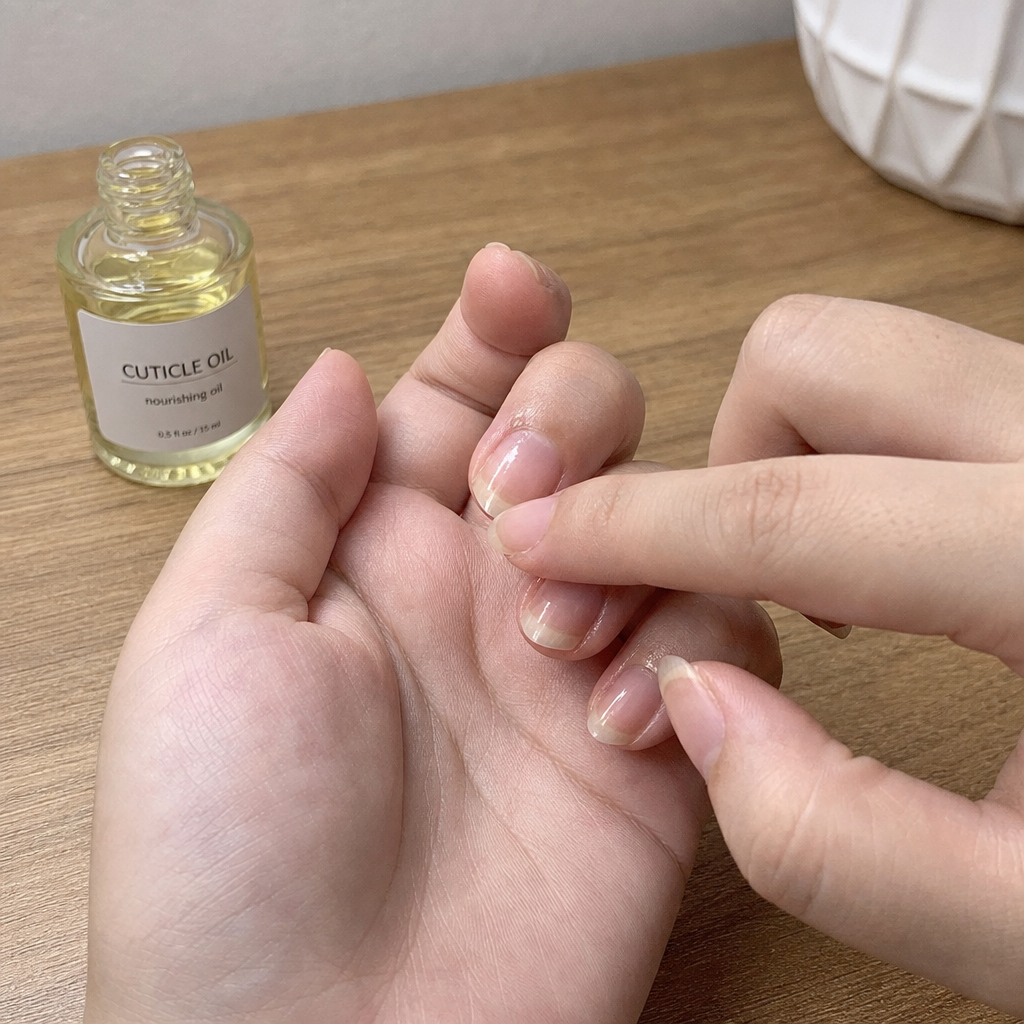
- Hydrate Relentlessly: Apply cuticle oil at least three times a day. Flexible, moisturized nails are much less likely to break than dry, brittle ones.
- Take a Break: Give your nails a bare minimum of 4 to 6 weeks to regenerate without heavy enhancements.
Exploring Alternatives
If you love having your nails done but want to give your hands a break from heavy acrylics and glues, consider exploring non-toxic alternatives to dip manicures.
Standard breathable nail polishes have come a long way in terms of longevity. You might also look into regular lacquer lines that are “10-free” (free of the ten most common toxic chemicals). Alternatively, press-on nails applied with temporary sticky tabs (rather than liquid glue) offer a fun, customizable look for the weekend without causing any chemical or structural damage to your natural nail bed.
The Final Takeaway
So, are dip powder manicures completely safe? Like almost all cosmetic enhancements, they are safe when utilized correctly, sparingly, and by educated professionals.
Understanding the side effects of dip powder nails allows you to make informed decisions. By keeping an eye out for allergic reactions, insisting on sanitary application practices, avoiding communal jars, and never pulling off your old manicures, you can enjoy the flawless, long-lasting beauty of dip powder without sacrificing the underlying health of your natural nails. Listen to your body, advocate for yourself at the salon, and remember that sometimes, your nails just need a little time to breathe.