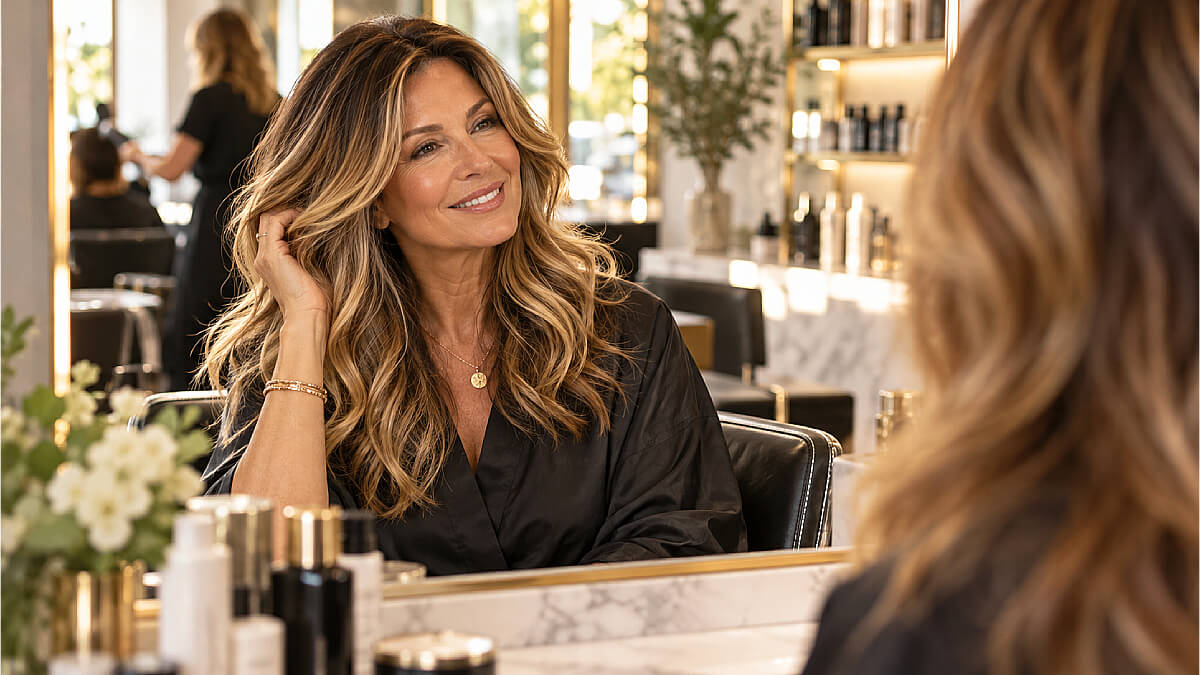
From Nancy Noble in Mcallen, Texas: “I finally got my first balayage done last month and I absolutely love it, but I’m already noticing it looks a little dull and my stylist gave me a quick rundown at the end of my appointment when I was half-distracted gathering my things. I don’t want to mess this up. What do I actually need to be doing at home to keep it looking the way it did when I walked out of the salon?”
Nancy, I hear you so much, and honestly this is one of the most common situations I see. Aftercare can be easy to overlook at the end of a long color appointment, so ask your colorist for clear instructions before you leave. It’s not ideal. So let’s fix that right now, properly, with enough detail that you actually feel confident going forward.
Balayage is such a specific kind of color investment, and it really does behave differently than a traditional highlight or an allover dye job. The whole point is that it looks effortless and sun-kissed and natural, but that look doesn’t just maintain itself. There’s a real routine behind it, and once you understand why each piece of it matters, it starts to feel less like a chore and more like just, you know, taking care of something you love.
This post may contain affiliate links, meaning I may earn a small commission at no extra cost to you. I only share products I truly believe in. As an Amazon Associate, I earn from qualifying purchases. Your support helps me continue creating free content like this.
1. Understand What Balayage Actually Does to Your Hair First
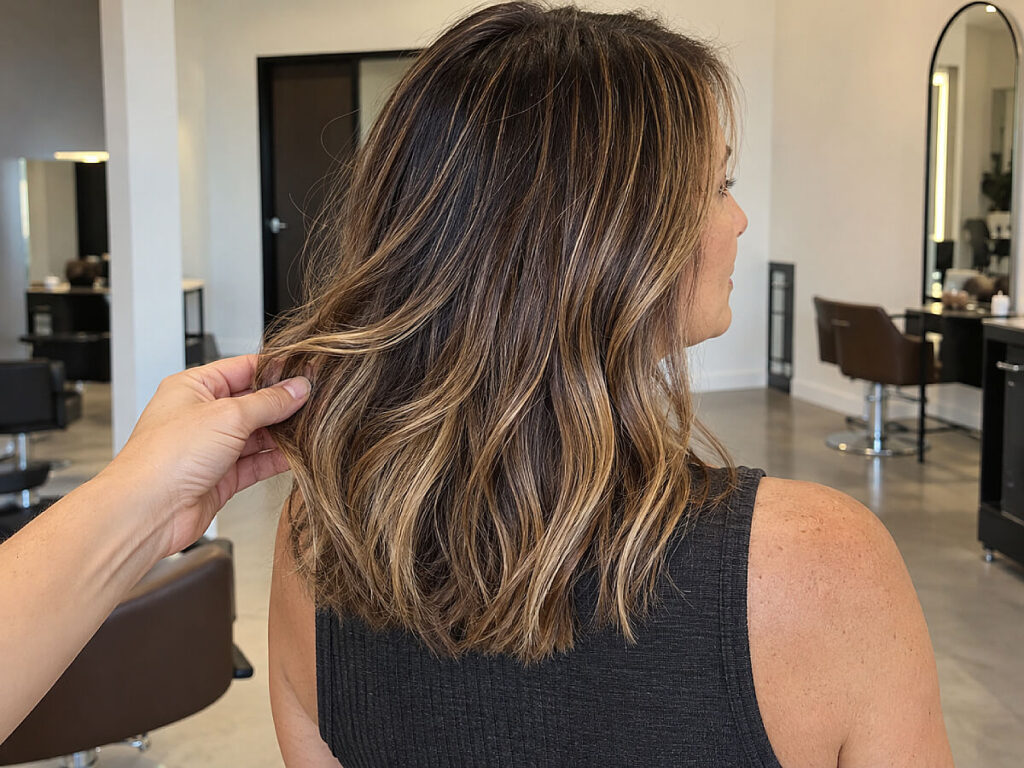
Before we get into the products and the routines, I want to take a minute here because I think a lot of people skip this part and then wonder why certain advice matters. Balayage involves lifting the hair, meaning the cuticle gets opened up so the color or lightener can do its job. Even when it’s done beautifully and carefully, that process changes the hair’s structure in a real way. The lightened sections are more porous than your natural hair. They absorb moisture differently, they lose moisture differently, and they respond to heat and environmental exposure differently than the rest of your hair does.
What this means practically is that your balayage sections and your roots are not the same material anymore. They need the same attention to a point, but the lightened ends need more. More moisture, more protection, more gentleness. Think of lightened ends as an area that needs its own conditioning routine. You wouldn’t skip moisturizer when it’s dry and windy, right? Same logic applies here.
Lightening changes what the ends may need from a routine. If a familiar two-in-one wash leaves balayage feeling rough, consider a separate conditioner and review the cleanser with your colorist.
2. Switch to a Sulfate-Free Shampoo Immediately
This is the one I feel most strongly about, honestly, and if you only change one thing after reading this, make it this. Sulfates are the cleansing agents in most conventional shampoos and they are excellent at what they do, which is stripping everything out of your hair, including the moisture and the tonal deposit that keeps your balayage looking warm and dimensional rather than brassy and flat.
For natural hair, sulfates are not the end of the world. Your scalp produces oil and your hair can bounce back. But for hair that’s been lightened, sulfates are genuinely rough. They lift the already-compromised cuticle, they pull color out faster, and they leave those porous lightened sections feeling dry and looking dull within days of washing. You’ll notice your color starts to look less vibrant, a little yellowy, a little lifeless, and you might blame the color itself when really it’s just being stripped clean of everything that made it beautiful.
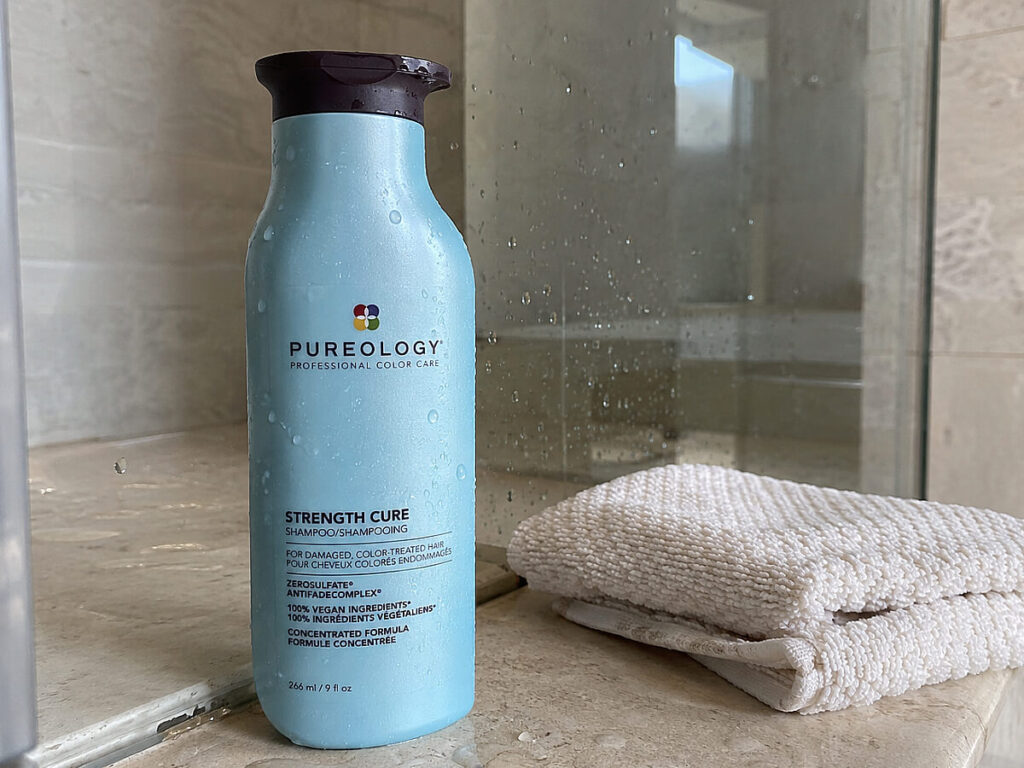
My personal recommendation is the Pureology Strength Cure Shampoo, which is specifically formulated for color-treated hair and has a ZeroSulfate formula that I’ve been recommending for probably fifteen years at this point. It’s not cheap, but a bottle lasts a long time because you genuinely don’t need much. Another one I like is Biolage ColorLast Shampoo, which is a little more accessible price-wise and does a solid job. Both of them are going to extend the life of your color significantly compared to anything with sodium lauryl sulfate sitting in the ingredient list.
3. Wash Your Hair Less Often Than You Think You Should
Okay, I know this one gets some pushback, especially from people who feel like they need to wash their hair every day or it just doesn’t feel clean. And I’m not here to tell you how to live your life. But if you’re asking me what genuinely helps balayage color last longer and keeps the hair in better condition overall, washing less frequently is one of the most impactful changes you can make, and it costs you absolutely nothing.
Every time you shampoo, you’re opening the cuticle, moving color molecules around, and exposing those lightened sections to water, which is actually not as neutral a substance as it sounds, especially if you’re in an area with hard water. Chlorine, minerals, all of it accumulates on the hair shaft and affects how your color reads. When you stretch your washes to every two to three days, you’re just reducing the total amount of exposure. The color holds longer, the moisture balance stays more stable, and your ends don’t get that faded, washed-out look as quickly.
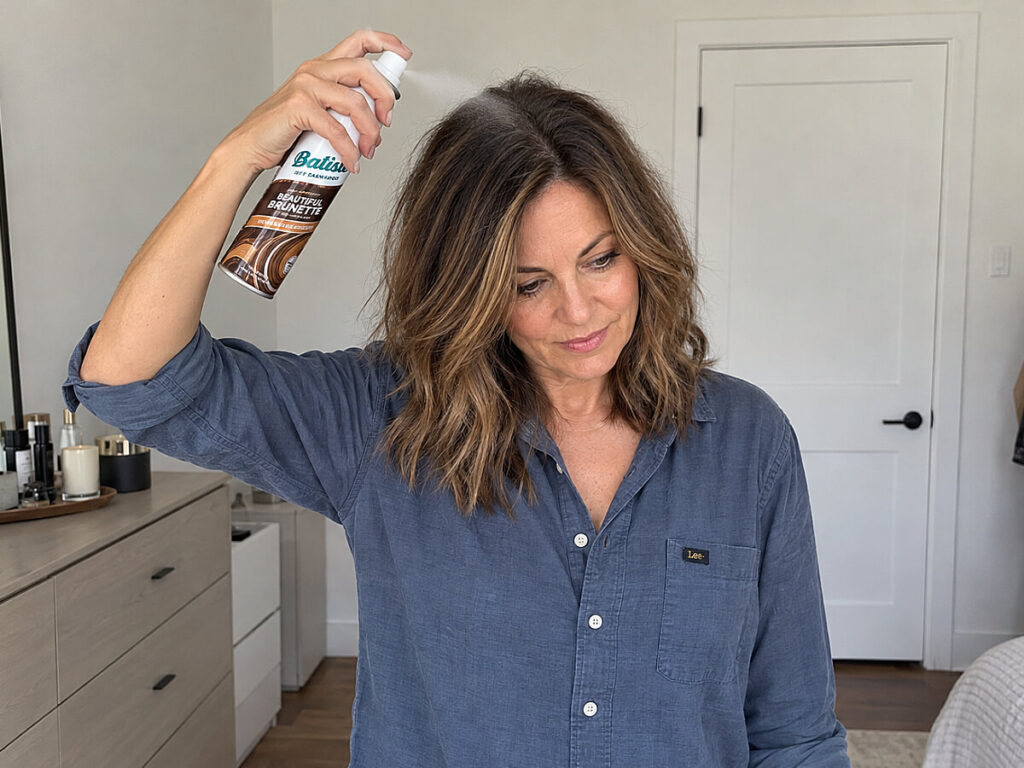
The thing that helps most people make this transition is a good dry shampoo for the days in between. I’ve used a lot of them and the one I keep coming back to for color-treated hair is Batiste for Brunettes or Blondes depending on your base, because the tinted versions don’t leave that chalky white cast that makes stretched second-day hair look obviously unwashed. It refreshes the roots without touching the lengths, which is exactly what you want.
4. Use a Purple or Blue Toning Shampoo (But Not Too Much)
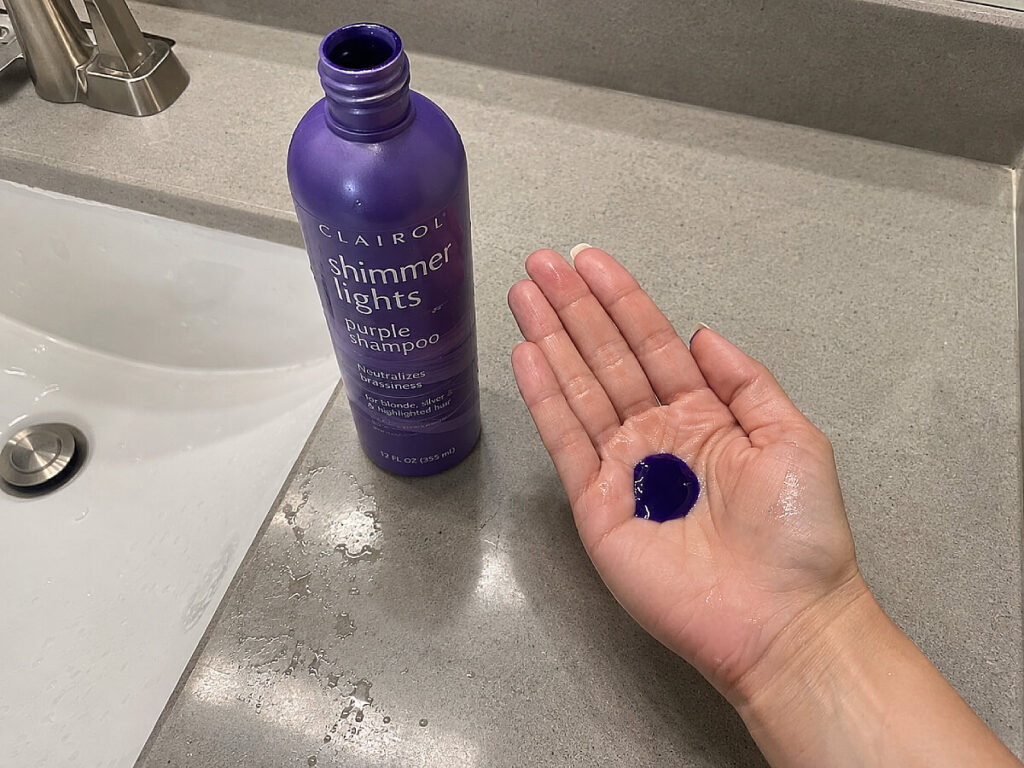
Brass. Brassiness can change the appearance of balayage as the toner fades. When hair is lightened, the warmth that lives naturally inside the hair shaft starts to show through over time, and you get those orange or yellow undertones that make a nice cool blonde or soft caramel look kind of muddy and tired. A toning shampoo is basically your at-home defense against that.
Purple shampoo works by depositing a very small amount of violet pigment onto the hair shaft, which sits opposite yellow and orange on the color wheel and neutralizes it. Think of it like color correction in real life, not on a screen. The key thing most people get wrong is using it too often or leaving it on too long, because you can actually over-tone and end up with hair that looks ashy or, in extreme cases, has a slight purple tint that wasn’t part of the plan. Once or twice a week is plenty for most people, and five to ten minutes is a good amount of time to let it sit.
The one I recommend most often is Clairol Shimmer Lights, which has been around forever and works. It’s strong, so if your hair is on the finer or more porous side, start with a shorter processing time and work up. Fanola No Yellow Shampoo is another toning option; follow the directions and choose according to your colorist’s advice.
5. Deep Condition Like You Mean It
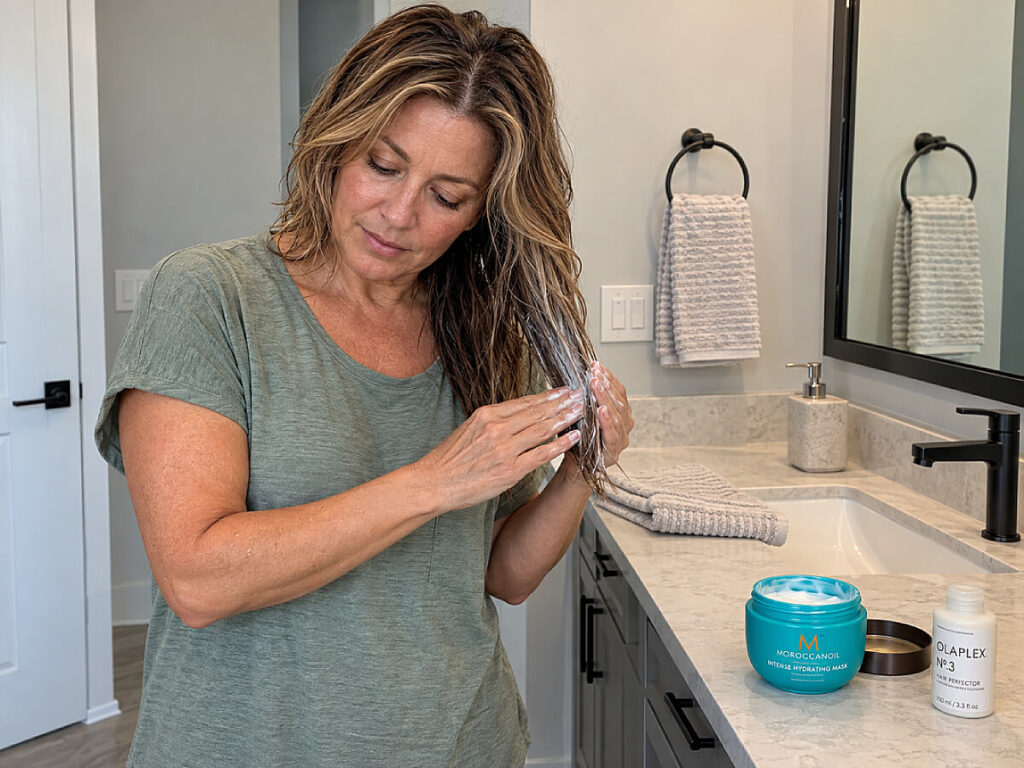
Here’s something I don’t say lightly: most people are not conditioning their hair enough, and people with balayage are especially guilty of this because they’re nervous about weighing down their hair or making it look greasy. But under-conditioned lightened hair is the reason your color stops looking luminous and starts looking flat, and it’s the reason your ends start to feel rough by the end of the day even after you’ve freshly washed.
A regular rinse-out conditioner is fine for day-to-day use, but it’s not doing what your lightened hair actually needs at a structural level. That’s what a deep conditioning mask is for, and it should be a weekly ritual, not a once-in-a-while thing you do when your hair already feels desperate. The difference between hair that’s regularly masked and hair that isn’t is genuinely visible. The color just looks richer and more alive when the hair itself is properly moisturized.
My current favorite is the Olaplex No. 3 Hair Perfector, a bond-care treatment to consider for lightened hair according to its instructions. It’s not technically a conditioner, it’s a bond-builder, so it’s working at a different level than moisture alone. Pair it with something like Moroccanoil Intense Hydrating Mask for actual moisture and you’ve got a really solid weekly treatment routine.
6. Protect Your Hair From Heat Every Single Time
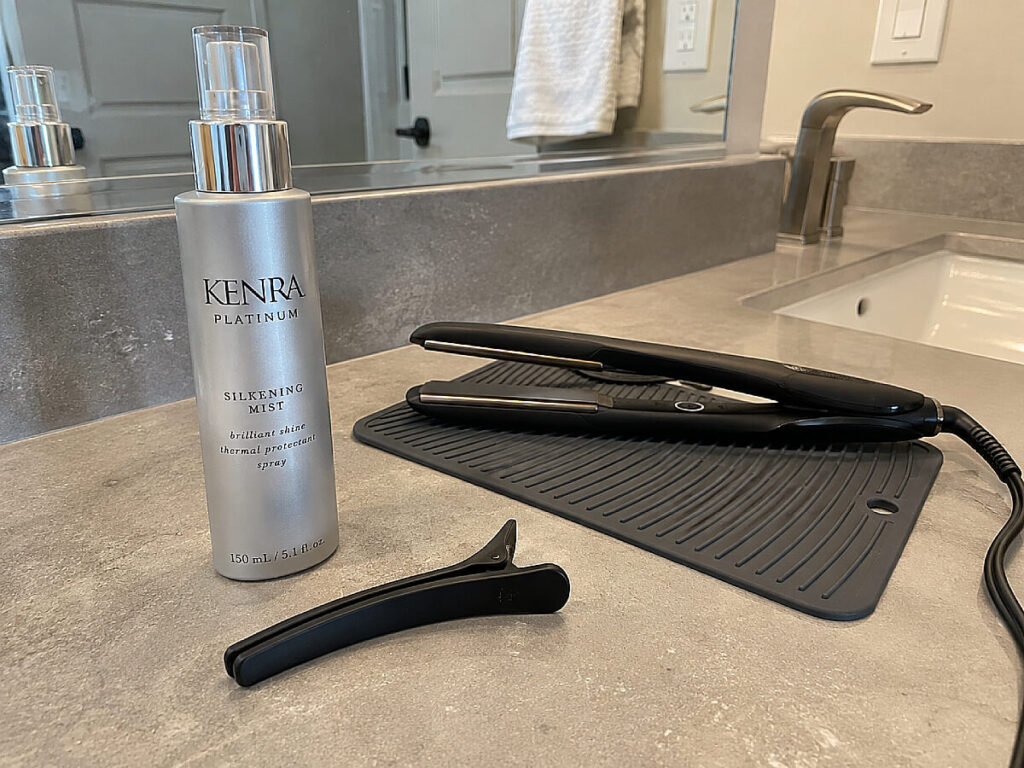
I’ve had this conversation so many times and I will keep having it. If you are blow-drying, flat-ironing, or curling your hair without a heat protectant, you are actively working against your balayage investment. I’m not trying to make you feel bad, I just want to be honest because this is one of those things where the damage is cumulative and quiet and you don’t really notice it until one day you do, and by then it’s already done.
Heat damage in lightened hair shows up as increased porosity, which sounds technical but what it means is that the hair starts to absorb and release moisture in an uneven way, it starts to look frizzy and feel rough, and it loses the ability to hold a style for any reasonable amount of time. The lighter sections of your balayage are already working from a more fragile starting point than your natural hair, so adding consistent heat exposure without protection just accelerates all of that.
The product I use in my own kit and recommend constantly is Kenra Platinum Silkening Mist, which protects up to 428 degrees and leaves the hair with this beautiful smooth finish that actually makes styling easier. For anyone who prefers a cream-based option, It’s a 10 Miracle Leave-In Lite is genuinely one of the best all-in-one products on the market for color-treated hair at a price that doesn’t hurt.
7. Be Thoughtful About the Water You’re Washing With
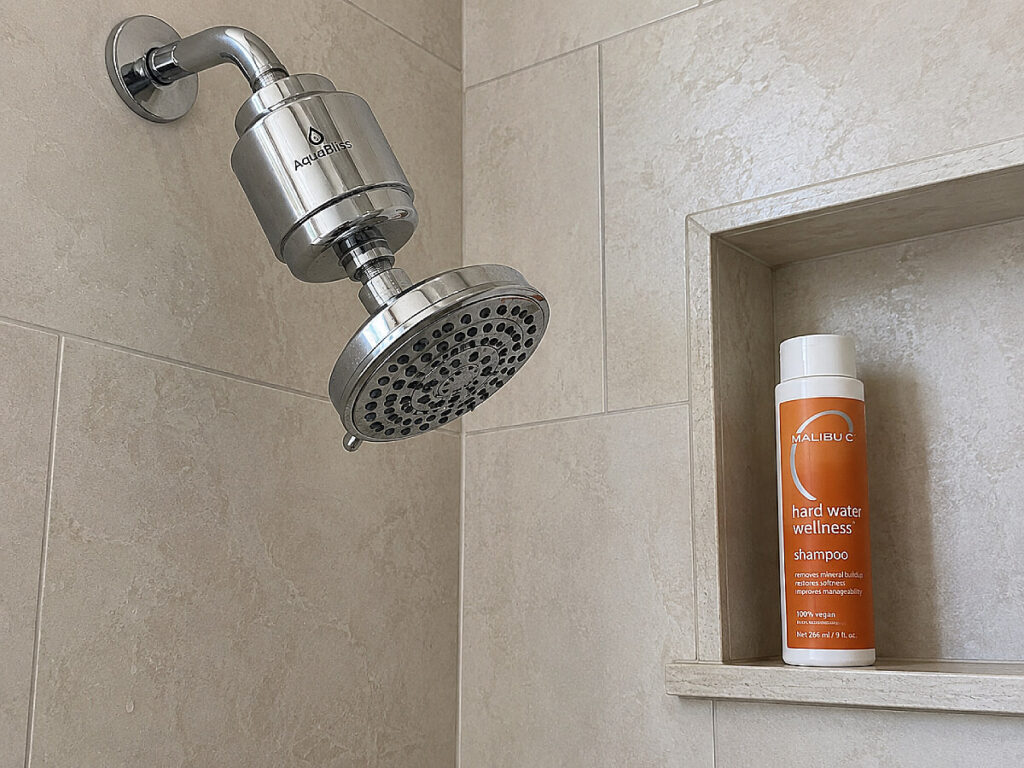
This one surprises people every time. Water is water, right? Not exactly. Hard water, which is water with a high mineral content, is a real issue for color-treated hair in a lot of parts of the country, and if you live in a place like Phoenix or Las Vegas or certain parts of the Midwest, you may be dealing with it without even realizing it. The minerals, primarily calcium and magnesium, build up on the hair shaft over time and create a coating that makes hair look dull, feel rough, and causes color to shift in ways that are hard to diagnose if you don’t know what you’re looking for.
A change in water supply can affect how hair feels even when the products stay the same. If mineral buildup is a concern, check local water information and ask your colorist about an appropriate chelating treatment.
A shower filter like the AquaBliss High Output Shower Filter is a low-cost fix that can make a real difference if hard water is your issue. And for the mineral buildup that’s already happened, a chelating or clarifying shampoo used once a month, something like Malibu C Hard Water Wellness Shampoo, will strip that mineral deposit away and let your actual color come back through. Just follow it with a really good conditioner because it will be thorough.
8. Protect Your Color From the Sun (Yes, Really)
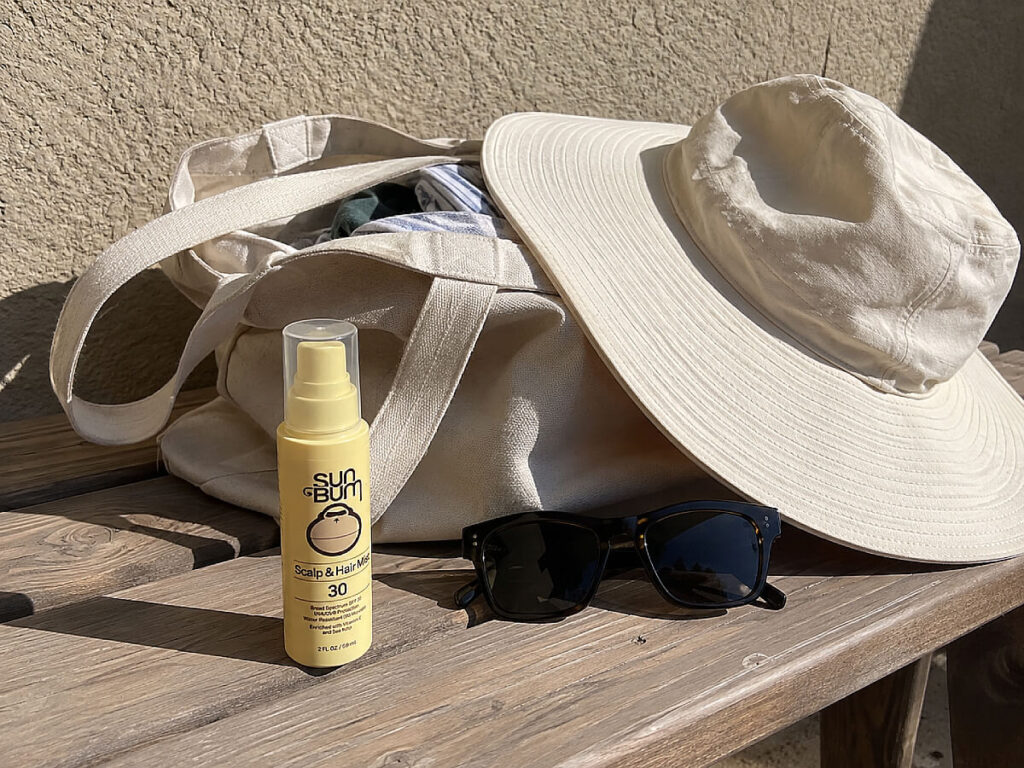
Sun exposure is one of the sneakiest ways balayage color fades and shifts, and I think people underestimate it because they associate sun damage with summertime and beach vacations, but UV exposure is happening any time you’re outside, year-round, and it doesn’t take that much to start affecting color-treated hair over weeks and months of cumulative exposure.
What UV rays do to lightened hair is basically the same thing they do to fabric left in a window, they oxidize the color molecules and cause the pigment to break down. For balayage specifically, this often shows up as the color looking lighter and brassier than it was when you first got it done, or losing that soft, dimensional depth that made it look so natural and beautiful. On top of that, UV exposure dries the hair out, which compounds all the other issues we’ve already talked about.
The easiest solution is a UV-protectant hair product, and there are some genuinely good ones now. I like Color Wow Dream Coat Supernatural Spray for everyday use because it does multiple things at once, smoothing, protecting, and adding a really nice shine. If you’re going to be outside for extended periods, something like Sun Bum Hair and Scalp SPF 30 is worth keeping in your bag, especially in summer. And honestly, a hat is never a bad idea. Sometimes the simplest answer is the best one.
9. Schedule Your Gloss or Toning Appointments and Don’t Skip Them
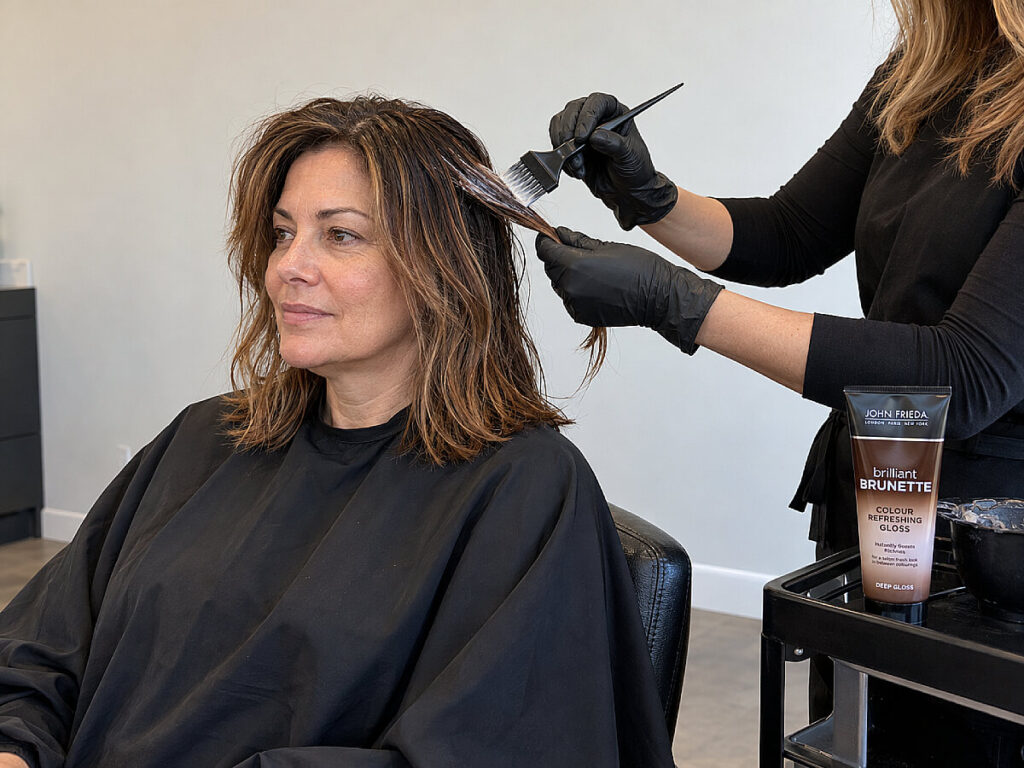
This is the one I really want you to walk away with, because everything else on this list is maintenance, and maintenance is wonderful and necessary, but this is the piece that actually keeps your balayage looking like balayage and not just like grown-out highlights that have seen better days.
A gloss or toning appointment can refresh the tone and shine between lightening services. Ask your colorist which type suits your color, how it is likely to fade, and whether the maintenance fits your budget.
A gloss between color appointments may refresh tone and shine without another full lightening service. Ask your colorist whether that approach suits the current condition and shade of your hair.
Between appointments, an at-home gloss like John Frieda’s color-refreshing gloss in the right shade family can help bridge the gap. It’s not going to replicate a professional service but it adds a little tonal deposit and a lot of shine, and honestly, using it between appointments is one of those small habits that just makes everything look more pulled-together on a regular basis.
Putting It All Together
Nancy, your instinct to get ahead of this rather than wait until your color is struggling is exactly right, and I promise you that what I’ve laid out here is not complicated once it becomes routine. Most of it is just swapping a few products and being a little more intentional about things you’re already doing.
Balayage is one of my favorite services to do because it genuinely suits so many different hair types and lifestyles, and when it’s well-maintained it ages beautifully, getting softer and more dimensional over time rather than looking obviously grown out. A consistent aftercare routine is part of maintaining the look between appointments.
You’ve already done the fun part. Now it’s just about giving that color the care it deserves so it keeps doing what it’s supposed to do, which is making you look like you just got back from somewhere lovely without anyone quite being able to put their finger on why.